
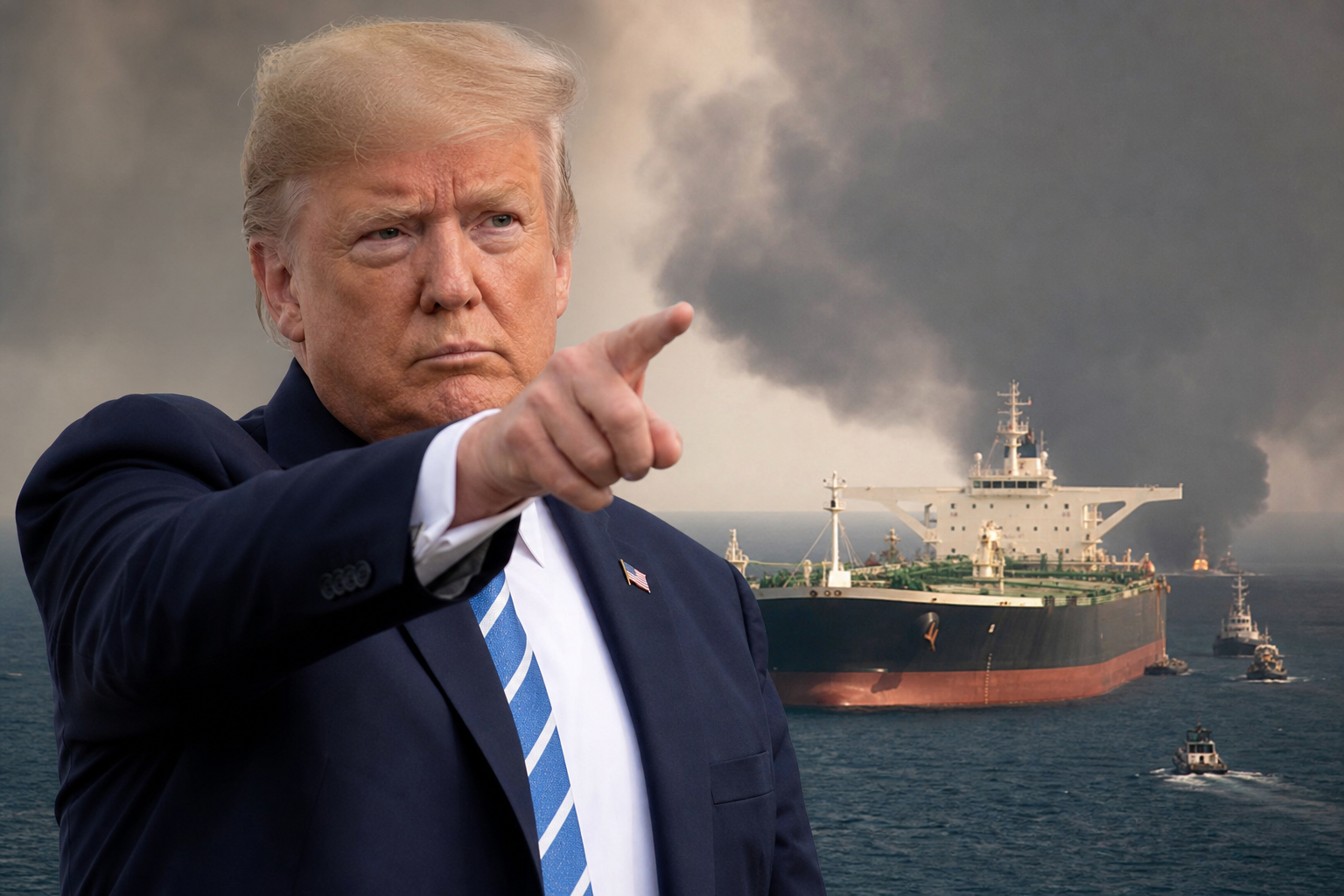
President Trump sharply warned Iran that the clock is ticking to salvage the faltering ceasefire or face renewed conflict.
The president rejected Tehran's latest proposal after reviewing it on May 18, the 80th day of the war that began February 28. He described the current truce in blunt terms while talks over reopening the Strait of Hormuz remained deadlocked.
Trump did not hide his frustration with the Iranian offer. "I would call it the weakest right now, after reading that piece of garbage they sent us," he stated.
For Iran, the Clock is Ticking, and they better get moving, FAST, or there won't be anything left of them.
The Strait of Hormuz remains the central sticking point. Iran has resisted full guarantees for commercial shipping through the narrow waterway that carries a significant share of global oil supplies.
Reuters reported that the Iranian proposal fell short of American requirements for security assurances and verification measures. CBS News carried live updates from Washington showing senior officials preparing for possible escalation if talks collapse entirely.
White House National Security Council spokesman John Kirby emphasized that US forces in the region stay on heightened alert. He noted that any closure of the strait would directly affect American energy costs and allied economies.
Republican Senator Lindsey Graham voiced support for the president's approach during a Capitol Hill briefing. Graham argued that Tehran must understand the military consequences of continued delays.
Energy market analysts in Houston tracked rising futures prices as uncertainty grew over the waterway. They warned that prolonged stalemate could trigger broader supply shocks within weeks.
BBC News correspondents in the Gulf described Iranian naval activity near the strait as a sign of continued leverage tactics. The network quoted regional diplomats who said both sides still lack a clear path back to the table.