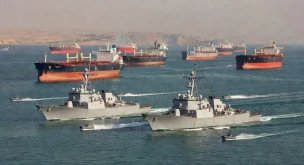

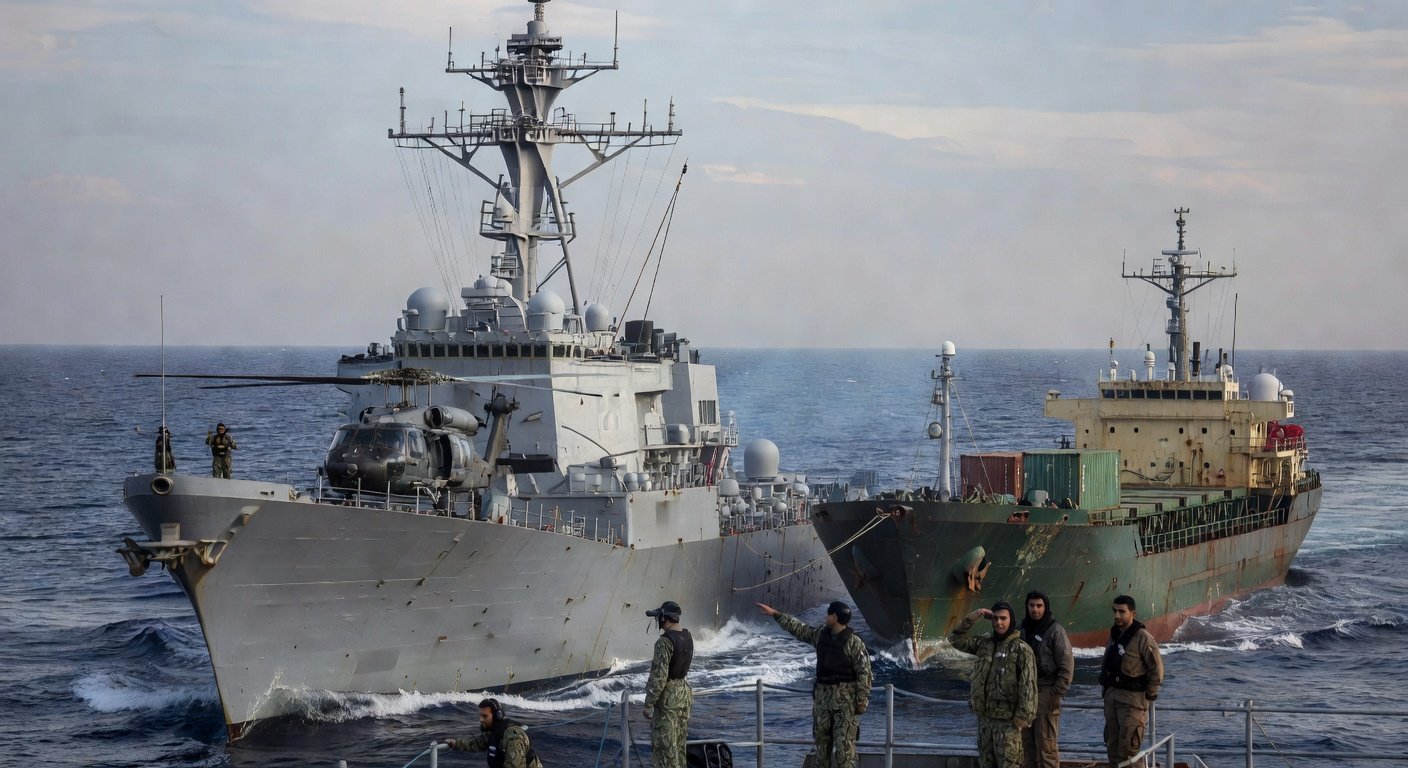
A U.S. Navy destroyer fired warning shots and seized an Iranian-flagged cargo ship in the Gulf of Oman on April 19, 2026, hours before Washington prepares to send top officials to Pakistan for a new round of Iran peace talks.
The USS Spruance, a guided-missile destroyer patrolling amid a U.S. naval blockade near the Strait of Hormuz, intercepted the nearly 900-foot container vessel Touska after it ignored repeated orders to halt. U.S. Marines now hold custody of the ship, which faces American sanctions, and are inspecting its cargo for illicit materials.
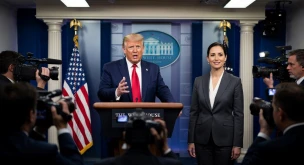
President Donald Trump detailed the incident on Truth Social late Friday.
The White House confirmed the operation enforced a blockade aimed at curbing Iran's suspected arms shipments and oil exports. Touska, registered in Iran and blacklisted by the U.S. Treasury since 2024 for evading sanctions, sailed from Bandar Abbas toward the Arabian Sea when challenged.
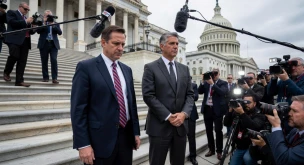
Hours after the seizure, the administration announced a high-level delegation flying to Islamabad on April 20-21. Vice President JD Vance will lead the group, joined by real estate developer Steve Witkoff, a Middle East envoy, and Jared Kushner, Trump's son-in-law and former advisor. Their mission targets a second round of direct Iran talks as a fragile ceasefire—brokered in March—nears expiration on Wednesday.
Iranian officials condemned the action swiftly. Foreign Ministry spokesman Nasser Kanaani called the boarding "an act of piracy" during a Tehran press briefing.
This aggression will not go unanswered. The Islamic Republic reserves all options to defend its sovereignty and maritime rights.Iran's state media, IRNA, reported the crew suffered no casualties, though the engine room damage left Touska dead in the water 50 nautical miles off Oman's coast.
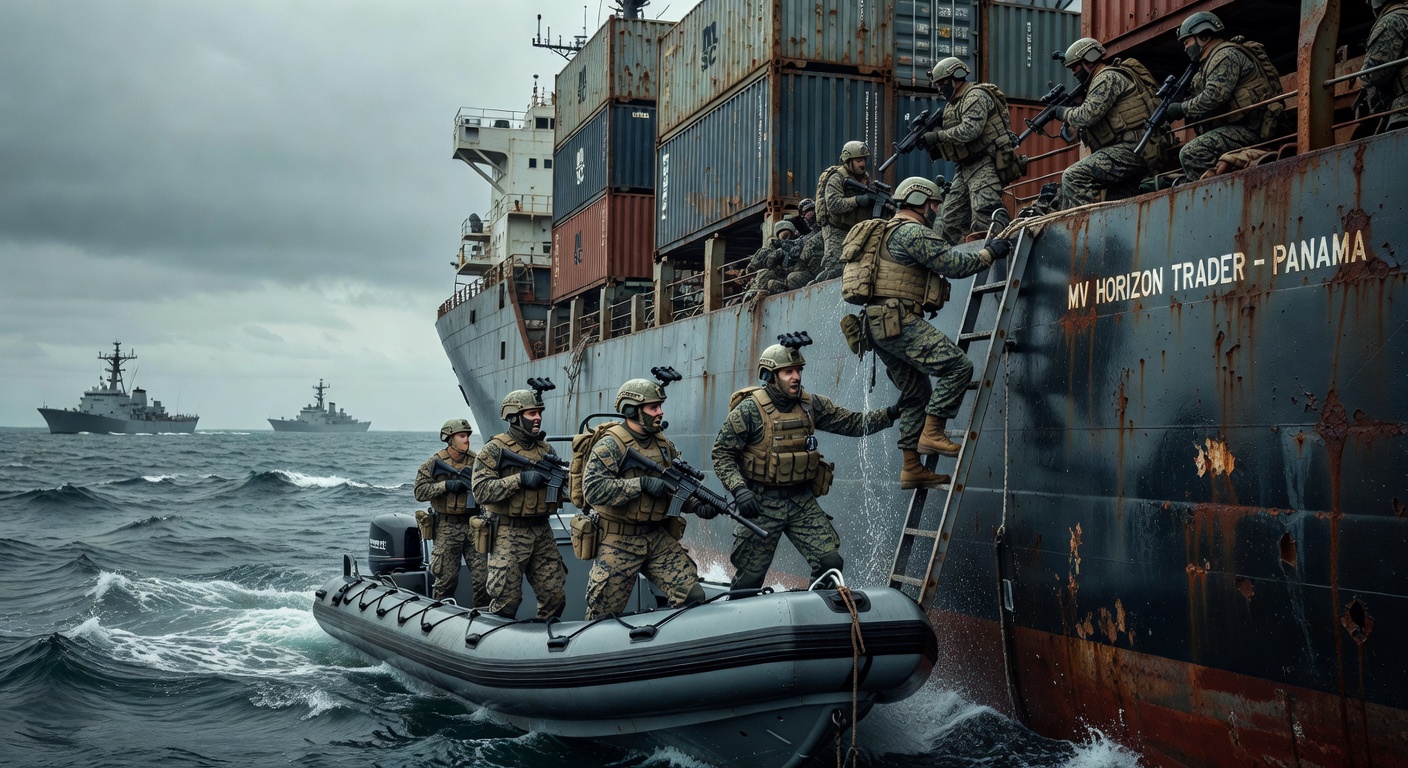
U.S. Navy Captain Michael Reynolds, commander of the Spruance's strike group, spoke from the USS Abraham Lincoln carrier nearby. We issued three verbal warnings over international channels and fired two warning shots across the bow. The vessel accelerated instead, forcing disabling fire to the propulsion system. Reynolds added inspections found no immediate weapons, but full cargo scans continue.
Pentagon spokesperson Navy Rear Admiral Carrie Cao addressed reporters in Washington. She described the Touska as part of Iran's "shadow fleet" used to dodge sanctions on oil bound for China and Russia. This blockade protects global shipping lanes and prevents escalation, Cao said, noting 12 similar intercepts since the ceasefire began.
The timing complicates diplomacy. Pakistan, hosting under neutral auspices, confirmed Vance's visit in a foreign ministry statement. Islamabad Foreign Secretary Amna Baloch said, Pakistan stands ready to facilitate dialogue amid rising tensions. Both sides must prioritize de-escalation.
Analysts see mixed signals. Michael Singh, former National Security Council director for the Middle East under President George W. Bush, told reporters from the Washington Institute, Seizing Touska enforces red lines but risks derailing talks. Iran views it as provocation right before Vance arrives.
Suzanne Maloney, a Gulf expert at the Brookings Institution, pointed to the ceasefire's fragility. April 19 marks day 45 of the truce, which blocks major strikes but allows patrols like this. Iran has massed missiles near the Strait; any miscalculation could spike oil to $120 a barrel.
Iran's parliament speaker Mohammad Bagher Ghalibaf warned of retaliation during Friday prayers in Tehran. Our forces stand vigilant. Any violation meets a firm response, he declared to cheering crowds. Supreme Leader Ali Khamenei's office has stayed silent, fueling speculation on Tehran's next move.
U.S. Ambassador to the UN Linda Thomas-Greenfield briefed the Security Council Saturday morning. She defended the action under UN resolutions authorizing maritime interdictions against proliferators. Russia and China, Iran's allies, called for an emergency session.
Markets reacted sharply. Brent crude jumped 4% to $98 per barrel in early Asian trading, with shippers rerouting 15 vessels around Africa to avoid the Gulf. The Strait of Hormuz, through which 20% of global oil flows, saw traffic drop 30% since the blockade began.
Vance's team arrives amid optimism from prior rounds. Kushner, who helped broker the Abraham Accords, met Iranian intermediaries in Oman last month. Witkoff, tasked with economic incentives, carries proposals for sanctions relief tied to uranium enrichment caps.
Yet the Touska incident echoes 2019 tensions, when Iran mined tankers and downed a U.S. drone. Then-Captain Brett Crozier of the USS Abraham Lincoln enforced no-fly zones; today, his successor oversees the Spruance flotilla.
State Department Middle East coordinator Barbara Leaf, who joins Vance remotely, stressed continuity. Enforcement and engagement go hand-in-hand. We signal strength while extending an olive branch, she said in a Fox News interview.
As Marines offload 40 containers from Touska onto support ships, eyes turn to Pakistan. Delegation briefings emphasize verifiable steps: Iran halting proxy attacks in Iraq and Yemen, in exchange for phased sanctions waivers. Failure risks renewed strikes on Iranian nuclear sites, officials hint.
The Gulf simmers. Omani mediators report Iranian fast boats shadowing U.S. patrols 20 miles from Touska's position. With talks 48 hours away, the sea blockade tests Tehran's commitment to peace.