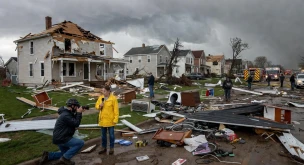

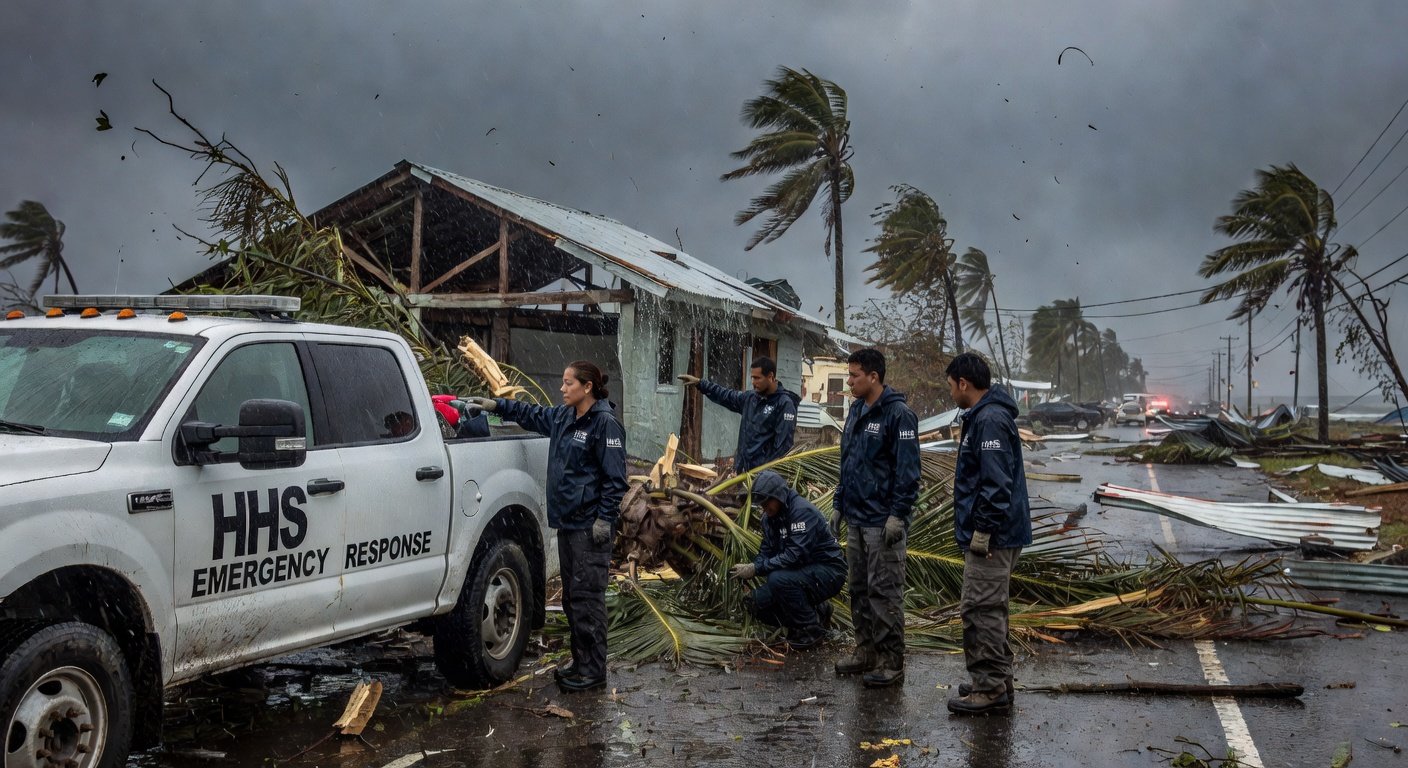
Super Typhoon Sinlaku slammed into Guam and the Commonwealth of the Northern Mariana Islands on April 11, 2026, unleashing winds exceeding 210 miles per hour and triggering a swift federal response.
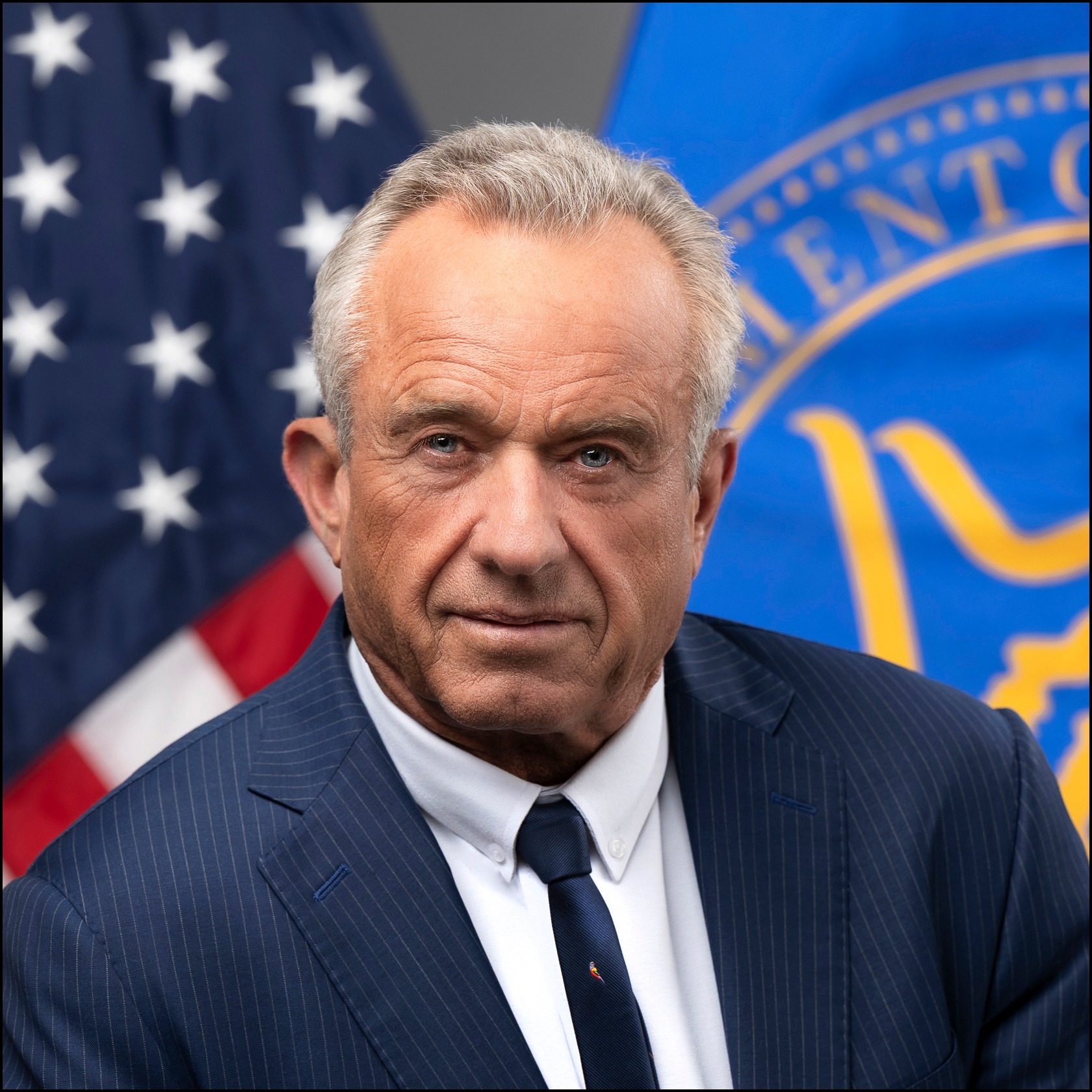
Six days later, on April 17, HHS Secretary Robert F. Kennedy Jr. declared a public health emergency for the affected U.S. territories, effective retroactively from the storm's landfall. The move unlocks critical resources amid widespread power outages and infrastructure damage across Saipan, Tinian, Rota, and Guam.
The declaration provides greater flexibility for Centers for Medicare & Medicaid Services (CMS) providers to address urgent Medicare and Medicaid needs. It also triggers a limited waiver of HIPAA sanctions for hospitals in Guam and the Commonwealth of the Northern Mariana Islands, permitting information sharing for up to 72 hours under disaster protocols.
HHS stands with the people of Guam and the Commonwealth of the Northern Mariana Islands as they confront the health impacts of Typhoon Sinlaku. We are coordinating closely with territorial and federal partners, deploying teams to assess needs, and delivering medical and public health support as conditions allow.
Robert F. Kennedy Jr., HHS Secretary, in his April 18 statement.
The Administration for Strategic Preparedness and Response (ASPR), part of HHS, pre-positioned medical responders and supplies before the storm hit. Teams now assist the Federal Emergency Management Agency (FEMA) in evaluating public health and medical requirements on the ground.
Priority goes to at-risk Medicare beneficiaries who rely on electricity-dependent equipment, such as dialysis machines and oxygen concentrators. Power restoration remains uneven, with outages affecting thousands in these remote Pacific territories.
Local officials in Saipan report no fatalities from the storm, a testament to timely evacuations despite the Category 5 intensity. Recovery efforts focus on clearing debris from Rota and Tinian, where smaller populations face acute isolation.
Dr. John Smith, director of Guam Memorial Hospital, described the immediate post-storm scene. "We've treated dozens for storm-related injuries, but the real concern is patients on life-sustaining devices without reliable power," he said from Hagåtña.
Governor Lou Leon Guerrero of Guam coordinated with federal teams arriving April 18. She noted that the HHS declaration accelerates aid delivery, bypassing usual bureaucratic hurdles for remote areas.
In the Northern Marianas, Governor Arnold Palacios echoed the urgency from Saipan. "Our hospitals stretched thin; this waiver lets us share patient data swiftly to save lives," he told reporters.
FEMA administrator Deanne Criswell confirmed HHS integration into broader recovery operations. Assets include mobile medical units now en route, targeting the 72-hour window for maximum HIPAA flexibility.
ASPR regional coordinator Maria Lopez, speaking from Honolulu, detailed prepositioning efforts. "We had ventilators, dialysis kits, and generator fuel ready offshore; deployment began as winds dropped below 50 mph," she explained.
Typhoon Sinlaku, the strongest Pacific storm of 2026 so far, peaked at Category 5 strength with gusts to 210 mph before landfall. It dumped over 20 inches of rain on low-lying atolls, complicating access for relief convoys.
U.S. Pacific Command supports logistics from bases in Guam, where Andersen Air Force Base sustained minor damage but remains operational. Military flights ferry HHS supplies to outlying islands like Tinian.
Public health experts monitor secondary risks, including water contamination and disease outbreaks in crowded shelters. HHS coordinates vaccinations and sanitation kits through territorial health departments.
As of April 18, power flickers back in parts of Guam's capital, but rural Rota lingers in darkness. Secretary Kennedy pledged ongoing commitment, with assessments feeding into a 30-day review of the emergency status.