
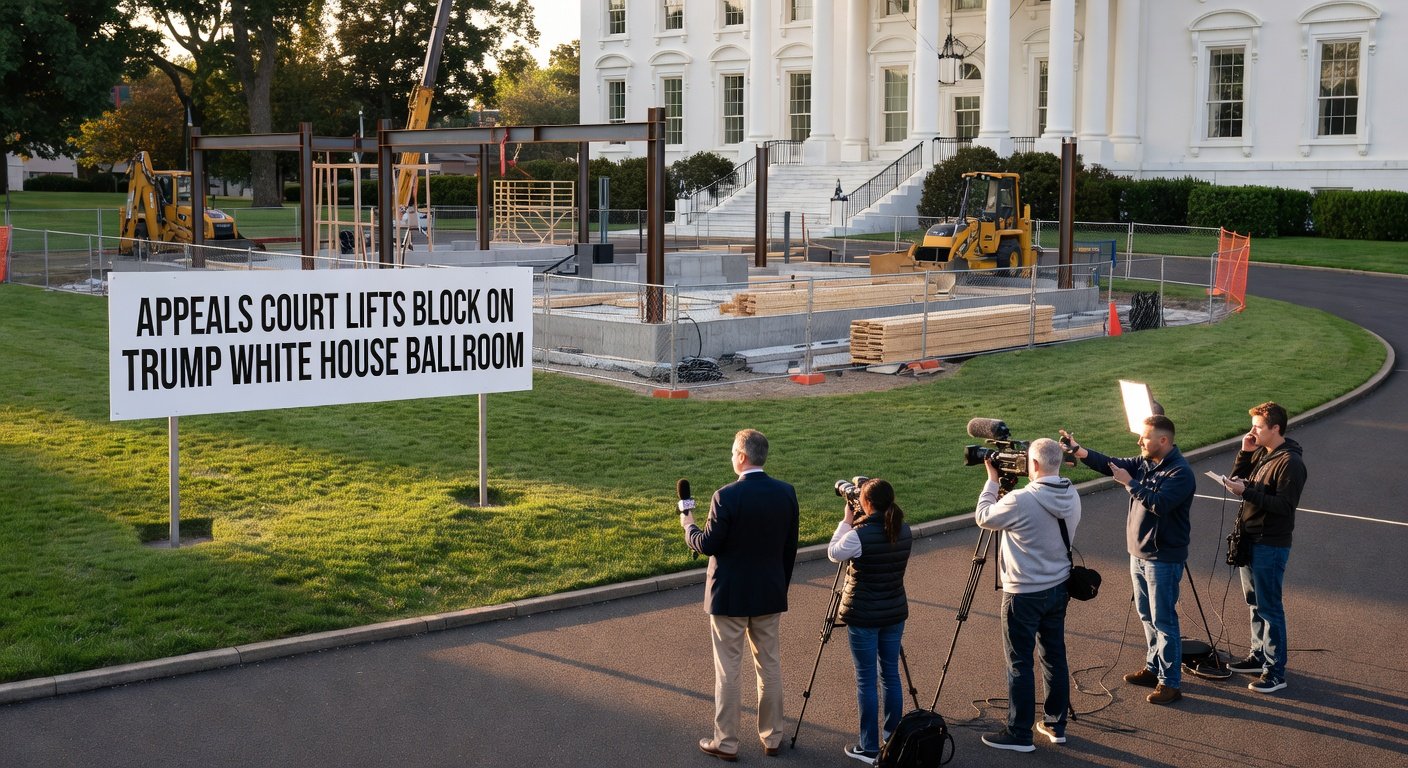
Judges on the U.S. Court of Appeals for the D.C. Circuit issued their ruling just before midnight on April 18, 2026, dissolving U.S. District Judge Richard Leon's earlier order that had stopped above-ground work on the White House ballroom.
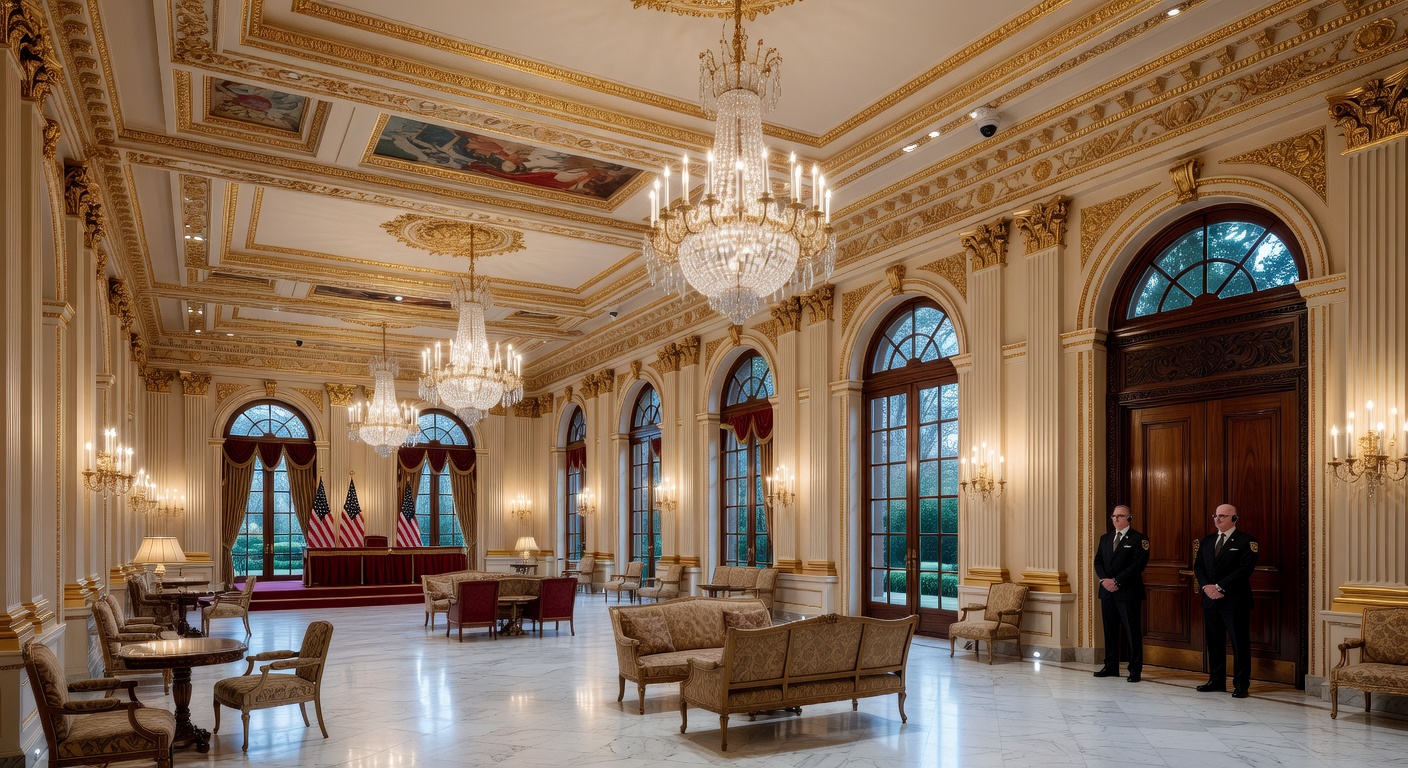
The project targets the former East Wing site in Washington D.C., where crews plan to build a 90,000-square-foot ballroom alongside an underground bunker and advanced security features. The total cost stands at $400 million, funded through federal appropriations.
Leon, a George W. Bush appointee, blocked the construction last week after the National Trust for Historic Preservation sued the National Park Service. His order emphasized preservation laws protecting the White House grounds.
"National security is not a blank check to proceed with otherwise unlawful activity," wrote U.S. District Judge Richard Leon in his decision.
The appeals court panel disagreed on the stay request. In a brief order, the three judges—two Trump appointees and one Obama pick—said national security imperatives outweighed immediate preservation concerns. Construction can now move forward until oral arguments on June 5, 2026.
President Donald Trump celebrated the decision on Truth Social early Saturday morning.
The case, docketed as National Trust for Historic Preservation v. NPS (D.C. Cir. Nos. 26-5101 & 26-5108), stems from Trump's January 2026 executive order directing the ballroom's construction. Proponents argue it modernizes White House facilities for large-scale diplomatic events and bolsters perimeter defenses amid rising global threats.
Opponents, including the National Trust, contend the project violates the Historic Preservation Act and disrupts sacred grounds tied to American history. They plan to press their arguments fully in June.
Philip Jeffries, general counsel for the National Trust for Historic Preservation, called the stay disappointing but not final. "We'll present the full historic record to the appeals court," Jeffries told reporters outside the federal courthouse on Constitution Avenue.
White House Press Secretary Karoline Leavitt framed the ruling as a victory for security priorities. "This administration won't let legal roadblocks compromise the president's ability to host world leaders safely," Leavitt said in a statement to Politico, The Hill, and NBC News.
The ballroom would replace a parking area and outbuildings on the East Wing's north side. Plans include blast-resistant walls, reinforced roofing, and subterranean vaults for classified briefings—features the administration ties directly to threats from adversarial nations.
Senator Chuck Schumer of New York, the minority leader, criticized the project's scale during a Saturday morning appearance on CNN. "A $400 million ballroom while veterans wait for benefits? Priorities matter," Schumer said.
Republican Senator Tom Cotton of Arkansas defended it on Fox News. "In an era of drone attacks and cyber warfare, fortifying the White House isn't optional—it's essential," Cotton stated.
Construction teams mobilized Saturday morning at the site, erecting scaffolding under Secret Service oversight. Weather in D.C. held clear, with temperatures in the mid-60s.
The June 5 hearing will feature arguments from Department of Justice lawyers representing the National Park Service. Preservation advocates aim to reinstate Leon's block permanently.
Legal experts watching the case point to precedents like the 2019 Supreme Court ruling on border wall funding, where security needs tipped judicial scales.
David Rivkin, a constitutional lawyer who served in the Reagan and George H.W. Bush administrations, praised the panel's speed. "Courts recognize that White House security isn't litigated like a zoning dispute," Rivkin said in an interview with NBC News.
Meanwhile, the White House Historical Association voiced concerns over potential archaeological impacts. Executive Director Stewart McLaurin urged a full environmental review before groundbreaking expands.
As crews pour foundations this week, the project tests balances between executive security powers and congressional oversight on historic sites. The appeals court's next ruling could reshape White House infrastructure for decades.