
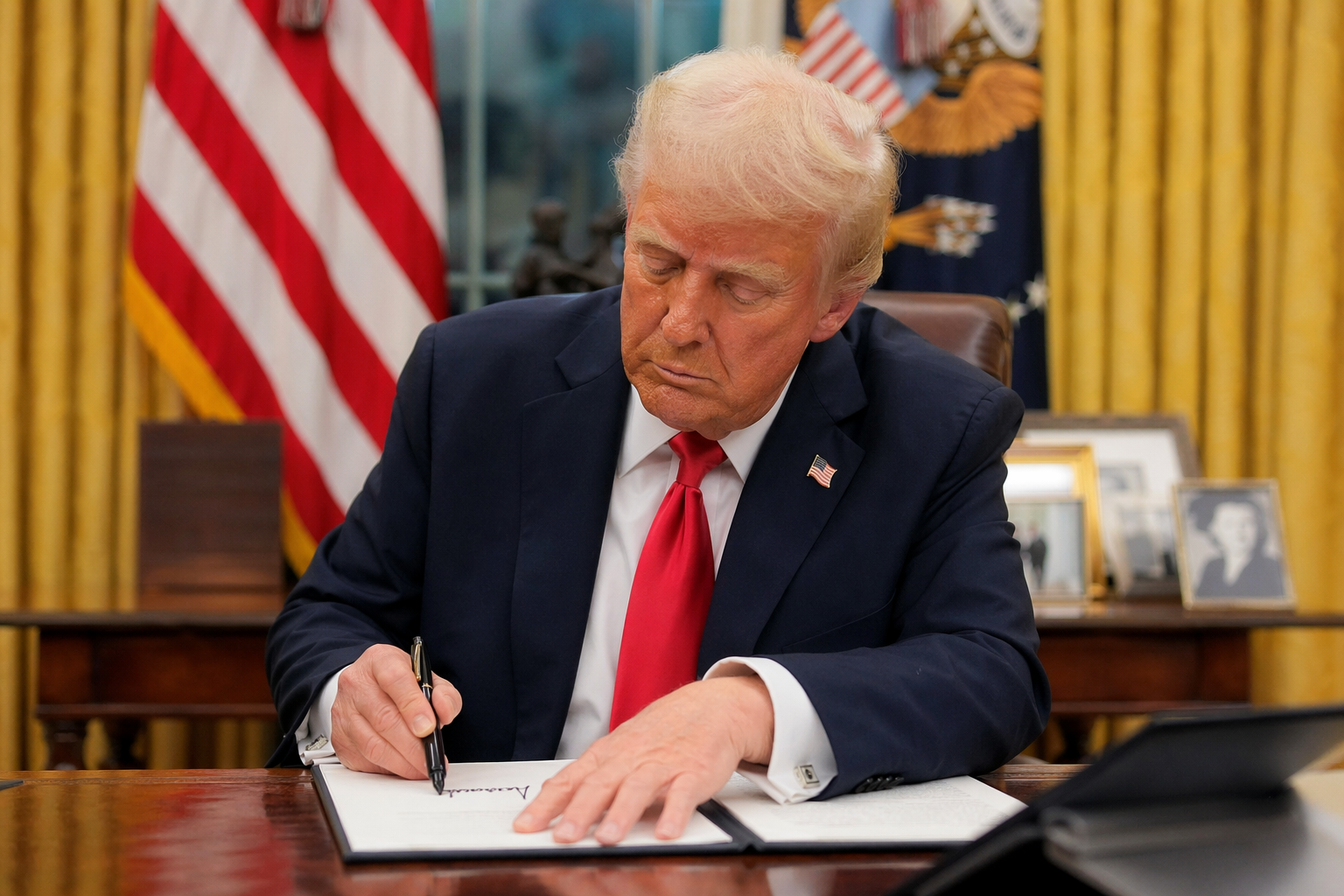
President Donald Trump extended the US-Iran ceasefire indefinitely on April 21, 2026, just hours before its midnight expiration in Washington.
The two-month war, which erupted in late February 2026, had entered a fragile truce phase. Trump's announcement came after urgent appeals from Pakistani leaders, marking the second time in as many weeks he has delayed threatened military action.
Pakistan's role proved pivotal. Field Marshal Asim Munir and Prime Minister Shehbaz Sharif requested the delay during high-level calls with the White House. Their mediation efforts aimed to broker peace between Washington and Tehran.
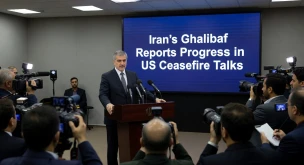
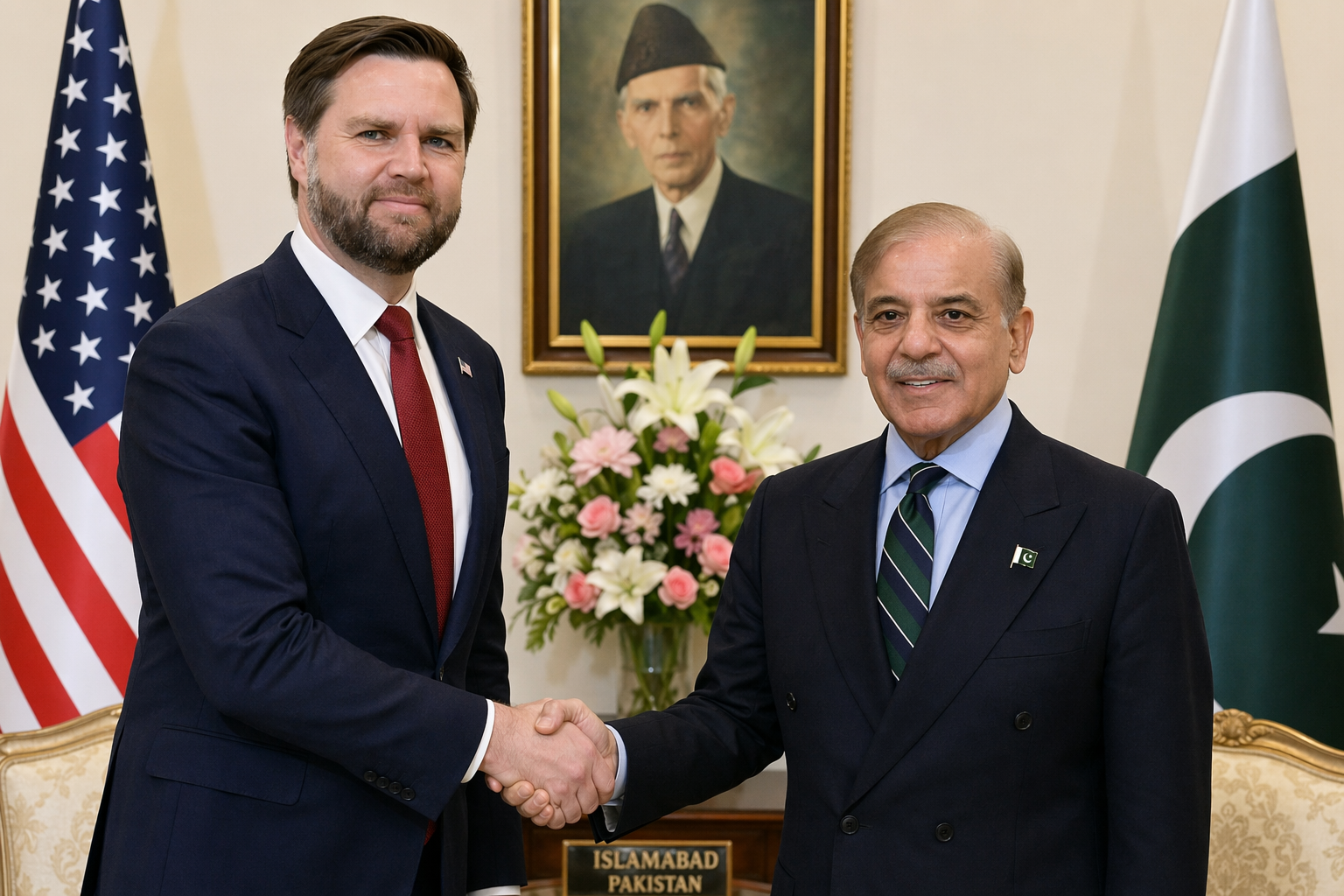
Vice President JD Vance had planned to fly to Islamabad, Pakistan, on April 21 for talks. The trip fell through when Iran declined to confirm attendance, according to US officials speaking on condition of anonymity.
We have been asked to hold our Attack on the Country of Iran until such time as their leaders and representatives can come up with a unified proposal.
Trump shared that statement on Truth Social late Monday, directing US forces to stand down. The ceasefire now hinges on Iran presenting a single peace proposal.
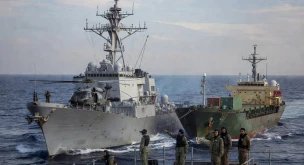
Tensions simmer over naval actions in the Strait of Hormuz. Iran accuses the US of blockading ports like Kharg Island, a key oil export hub.
Araghchi aired the grievance during a Tehran press conference Tuesday morning local time. Iranian state media aired footage of US warships near the Strait, framing it as provocation.
US Central Command in Tampa, Florida, disputed the blockade claim. Rear Adm. George M. Wikoff, USN, commander of US Naval Forces Central Command, stated operations remain within ceasefire terms, focused on freedom of navigation.
Pentagon spokesperson Maj. Gen. Pat Ryder addressed reporters at the daily briefing. "Our forces are postured defensively," Ryder said. "No offensive actions planned without presidential orders."
The extension buys precious time. Two weeks ago, Trump similarly paused airstrike plans after Pakistan's initial intervention. That decision followed Israeli strikes on Iranian nuclear sites, which drew US support but risked wider escalation.
Analysts in Washington watch closely. Michael Singh, managing director at the Washington Institute for Near East Policy, noted the pattern. "Trump's restraint signals openness to diplomacy, but Iran's internal divisions complicate a unified response," Singh told reporters.
European allies expressed cautious relief. EU foreign policy chief Josep Borrell posted on X: "Welcome news. Sustained ceasefire essential for regional stability."
Oil markets reacted mildly. Brent crude dipped 1.2% to $82.45 per barrel in early Asian trading Tuesday, reflecting lower immediate supply disruption fears.
- Ceasefire start: Late February 2026
- Previous extension: One week ago
- Key flashpoint: Strait of Hormuz, Kharg Island
- Mediator: Pakistan (Munir, Sharif)
Iran's leadership faces pressure. Supreme Leader Ali Khamenei's office has not commented publicly. Factional debates in Tehran reportedly stall a cohesive proposal.
State Department spokesperson Matthew Miller fielded questions Tuesday. "We're prepared for good-faith talks," Miller said. "Iran must reciprocate."
The move underscores Trump's deal-making approach. Supporters praise the flexibility; critics question the repeated delays.
Sen. Lindsey Graham, R-S.C., voiced support on Fox News. "Smart play—gives peace a shot without weakness," Graham said.
Rep. Jim Himes, D-Conn., ranking member of the House Intelligence Committee, urged vigilance. "Ceasefire holds only if enforced bilaterally," Himes stated in a statement.
As US ships patrol the Strait of Hormuz, all eyes turn to Tehran. Iran's next move will test the indefinite truce.