
U.S. President Donald Trump announced Friday that American officials will travel to Pakistan for a new round of talks with Iran, just as a fragile two-week ceasefire nears its end.
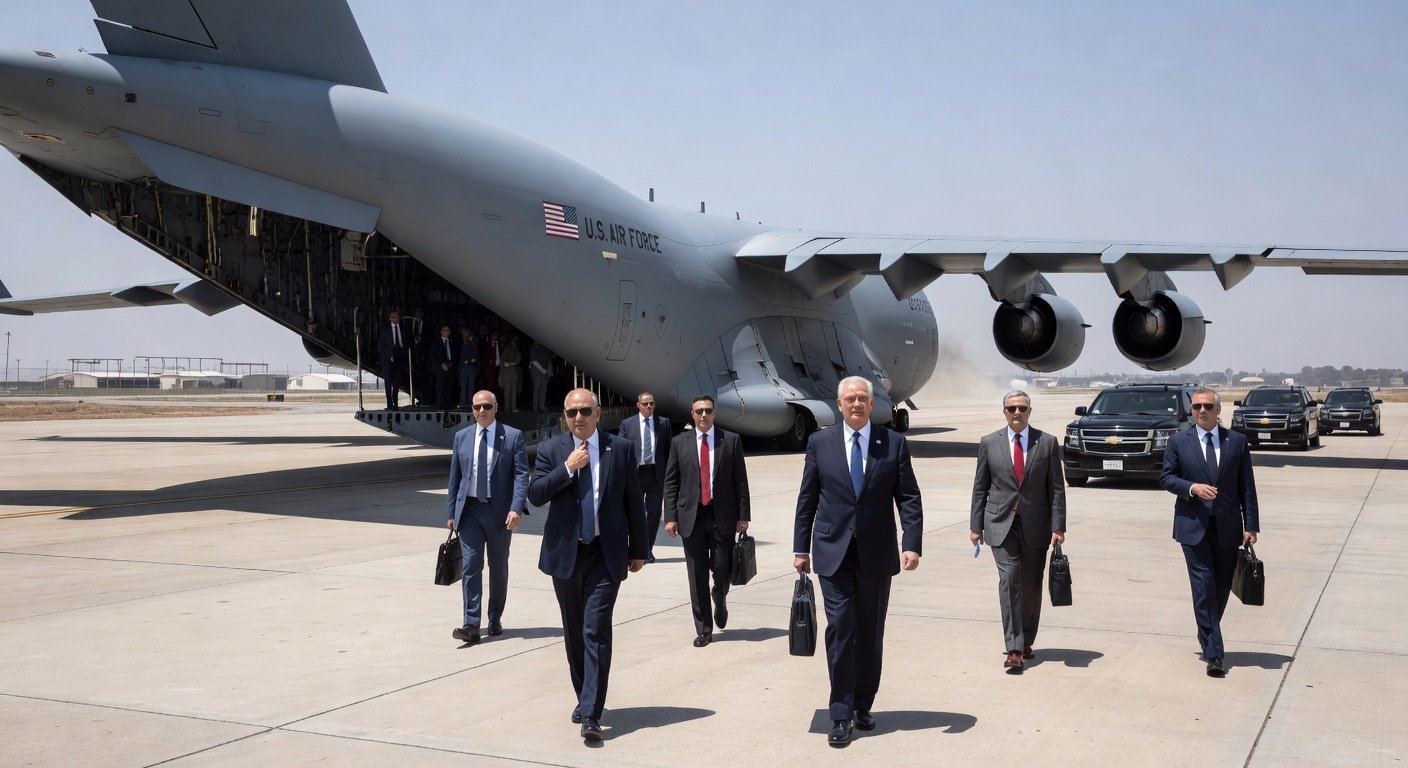
Vice President JD Vance will lead the delegation, departing for Islamabad on April 21, 2026. He will be joined by Steve Witkoff, a key Trump advisor on Middle East policy, and Jared Kushner, who previously brokered regional deals during Trump's first term. A White House official confirmed the trip marks the second attempt at mediated discussions after the first round in Islamabad yielded no agreement.
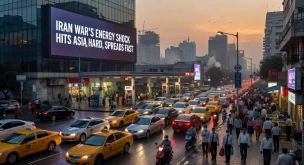
The Strait of Hormuz remains largely closed, with Iran blocking most maritime traffic in response to a U.S. naval blockade on its ports. This standoff has halted oil shipments and escalated economic pressures on both sides since the ceasefire began two weeks ago.
The ceasefire stands on the brink. The truce, set to expire April 22, 2026, followed intense fighting that drew in U.S. forces supporting Israel. Prior talks in Pakistan collapsed when Iran rejected American demands, according to U.S. officials.
They have chosen not to accept our terms.
Vice President JD Vance made the statement during a briefing at the White House, emphasizing U.S. resolve. He spoke after President Trump directed the Hormuz blockade, a move CBS News reported as retaliation for the failed negotiations.
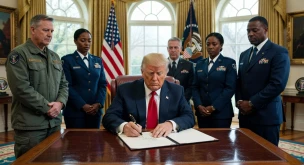
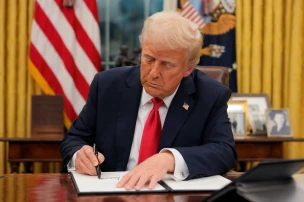
Trump addressed reporters outside the Oval Office, reinforcing the hardline stance.
No immediate response came from Tehran. Iranian state media has been silent on the U.S. travel plans, though CNN reports suggest officials there are reviewing new proposals relayed through Pakistani intermediaries.
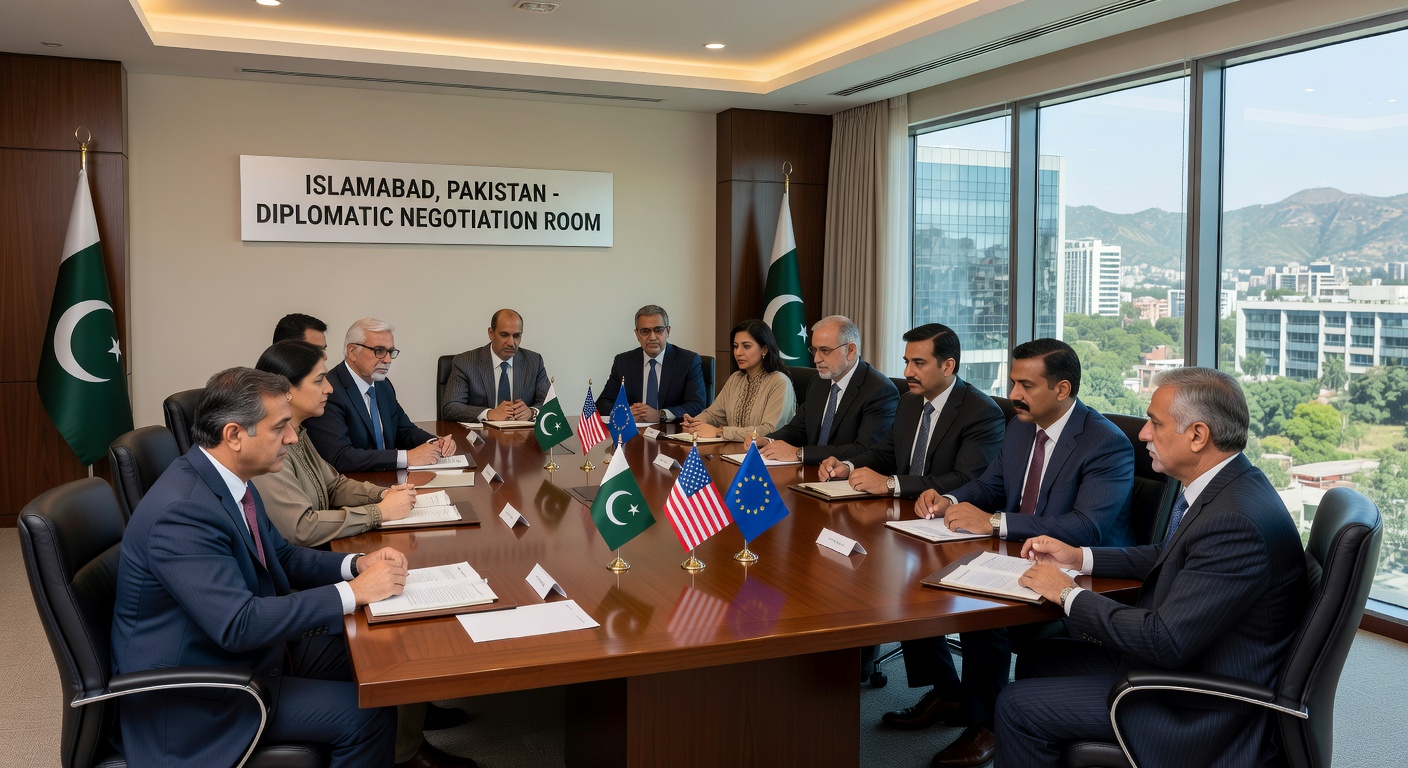
Pakistan steps in once more as mediator. Islamabad hosted the initial session last month, where Vance presented terms including sanctions relief tied to Iran's nuclear program and cessation of proxy attacks on U.S. allies. Sources familiar with the discussions say Iran countered with demands to lift the naval blockade immediately.
Admiral Michael Rodgers, former head of U.S. Cyber Command and now a Pentagon advisor, described the Hormuz situation from the USS Abraham Lincoln in the Gulf. The closure has stranded dozens of tankers, he told reporters via satellite link. We're maintaining presence to protect global shipping lanes.
Fatima Hosseini, a Tehran-based expert at the Iranian Institute for Strategic Studies, offered a counterview. Speaking to the New York Times, she said, Pakistan's role is neutral, but U.S. preconditions make progress unlikely. Hosseini noted Iran's military drills near the strait as a signal of readiness if talks fail.
On the ground in the region, impacts mount. In Dubai, shipping executive Raj Patel reported to CBS News that rerouted vessels face weeks of delays. Oil prices spiked 15% this week alone, Patel said from a control room overlooking the Persian Gulf. American consumers could see gas prices rise 20-30 cents per gallon if the strait stays shut, per Energy Department estimates.
| Key Dates | Event | Status |
| April 21, 2026 | U.S. delegation arrives Islamabad | Second round begins |
| April 22, 2026 | Ceasefire expires | No extension confirmed |
| Two weeks prior | First Pakistan talks end | No deal reached |
Senator Marco Rubio, ranking member of the Senate Foreign Relations Committee, voiced support for Vance's mission during a Fox News appearance. This is diplomacy backed by strength, Rubio said. The blockade shows we're serious. Critics, including Rep. Ilhan Omar, called it escalatory. We're risking wider war, she posted on social media.
Pakistani Foreign Minister Bilawal Bhutto Zardari welcomed the U.S. team in a statement. Islamabad remains committed to facilitating dialogue, he said, urging all parties to extend the ceasefire. His office confirmed the talks will occur at a secure government facility outside the capital.
Military movements continue. U.S. Central Command reported deploying additional F-35 jets to Al Udeid Air Base in Qatar. Iran responded by activating air defenses along its southern coast, per satellite imagery analyzed by the Associated Press.
As Vance's plane touches down in Pakistan, the world watches. Success here could reopen the strait and stabilize oil markets. Failure risks renewed conflict, with U.S. carriers positioned just miles from Iranian waters.