
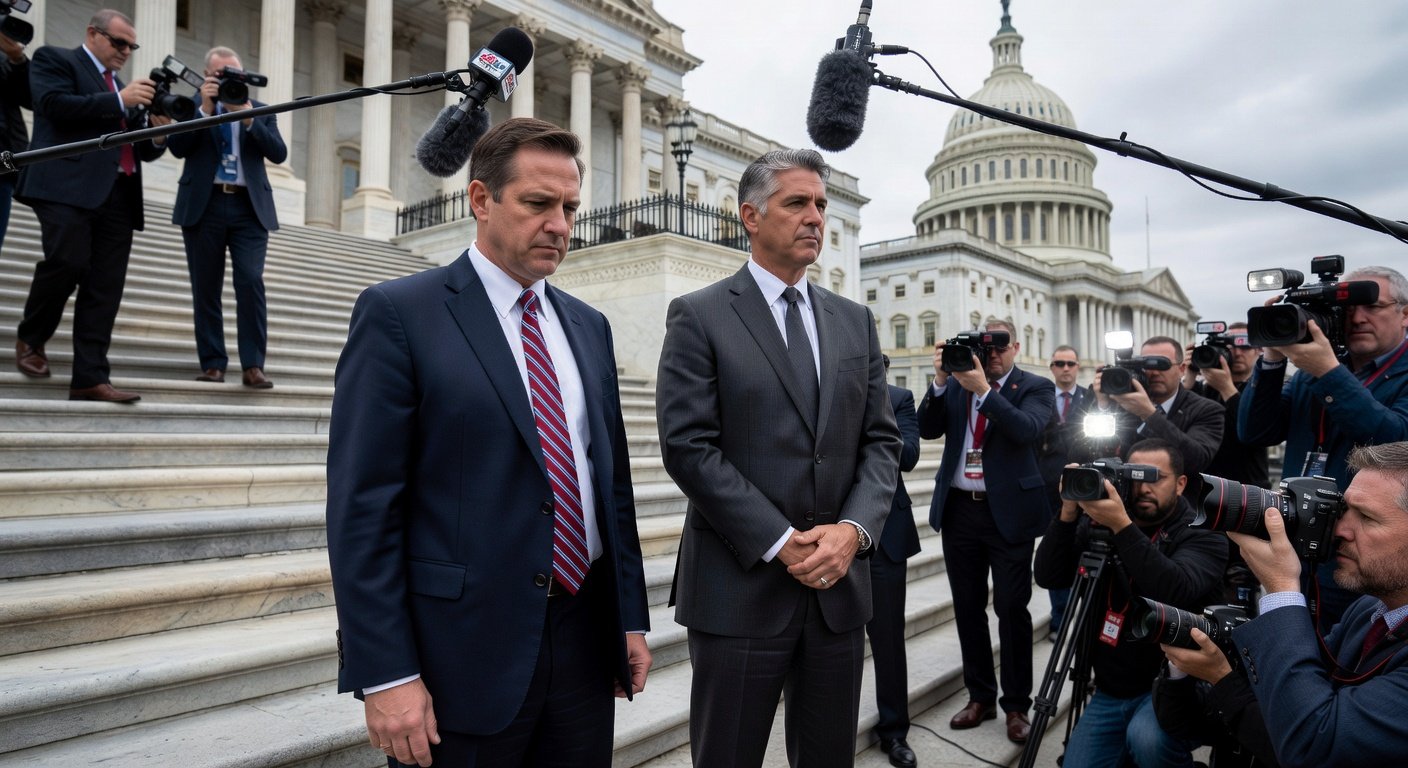
Two U.S. lawmakers resigned from Congress this week under clouds of sexual misconduct allegations, sending shockwaves through the halls of power in Washington D.C.
Rep. Eric Swalwell, a Democrat from California, announced his departure on April 13, 2026. A House Ethics Committee probe had targeted him over claims from four to five women, including one accusation of rape, all tied to alleged misconduct with a supervised employee.
Rep. Tony Gonzales, a Republican from Texas, followed suit the next day, effective April 14. He admitted to an affair with staffer Regina Santos, who later died by suicide. Explicit text messages to another staffer compounded the scandal.
These exits, reported by PBS NewsHour and Local News Matters, exposed raw fault lines in Congress's handling of harassment claims. Swalwell faced one assault allegation plus three others, according to Spectrum News.
Rep. Nancy Mace, a Republican from South Carolina, seized the moment on April 19. She demanded the public release of all congressional sexual harassment records from the past 400 settlements totaling $80 million.
Mace's call echoed a broader push for reform. She argued the current system shields abusers and delays justice.
Rep. Julie Johnson, a Democrat from Texas, echoed the urgency for change. She criticized the sluggish ethics process that drags on for months.
Johnson spoke from experience in state legislatures, where faster reporting curbed abuses. Both parties now face pressure to act, with Mace predicting more departures if records surface.
The scandals draw parallels to the 2017 #MeToo wave that toppled figures across industries. Congress, however, has lagged, with its Office of Congressional Workplace Rights handling complaints in secrecy.
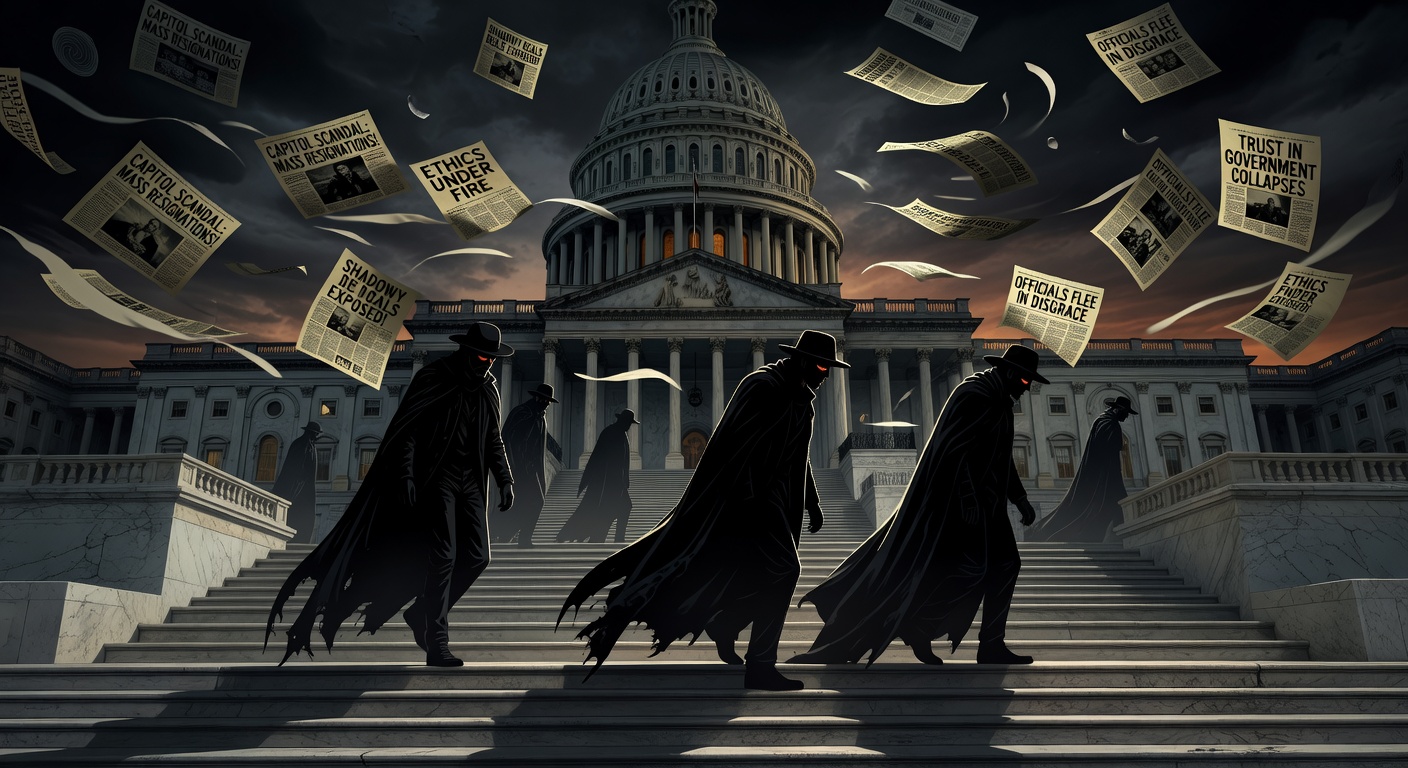
Swalwell's probe centered on incidents years old, but fresh complaints revived scrutiny. Gonzales's admission came after internal party pressure, with his district in Texas left in flux ahead of special elections.
Ethics experts note Congress processed over 400 harassment settlements since 1997, costing taxpayers $80 million. Few led to public accountability until now.
Democrats and Republicans traded blame. Some defend due process, while others decry a culture of impunity. Mace's push tests Speaker Johnson's control over the Ethics Committee.
Victims' advocates gathered outside the Capitol on April 20, holding signs calling for transparency. One protester, Sarah Kline, a former Hill staffer, told reporters the resignations mark a turning point.
These men thought they could hide forever. Now the dam is breaking.
Sarah Kline, a former Hill staffer, spoke after years of pushing for reform through groups like the Congressional Accountability Project.
Dr. Elena Vasquez, a political scientist at Georgetown University, analyzed the fallout. She pointed to bipartisan complicity in slow investigations.
Dr. Elena Vasquez noted past cases, like those involving Reps. Matt Gaetz and others, eroded trust. Public approval of Congress hovers near 20%, per recent polls.
Rep. Swalwell issued a brief statement before resigning: "I respect the process and step aside." Gonzales cited family priorities in his exit.
Johnson proposed a bipartisan task force on April 21 to revamp reporting. It would guarantee anonymity for accusers and mandate 90-day probes.
Texas GOP chair Matt Rinaldi welcomed Gonzales's departure but urged swift replacement. California's Democratic delegation stayed mum on Swalwell, focusing on his legacy of China hawkishness.
The Ethics Committee meets May 1 to discuss record releases. Mace vowed to force a vote if blocked.
As Washington braces, staffers whisper of more allegations surfacing. The twin resignations have cracked open a reckoning long overdue in the people's house.