

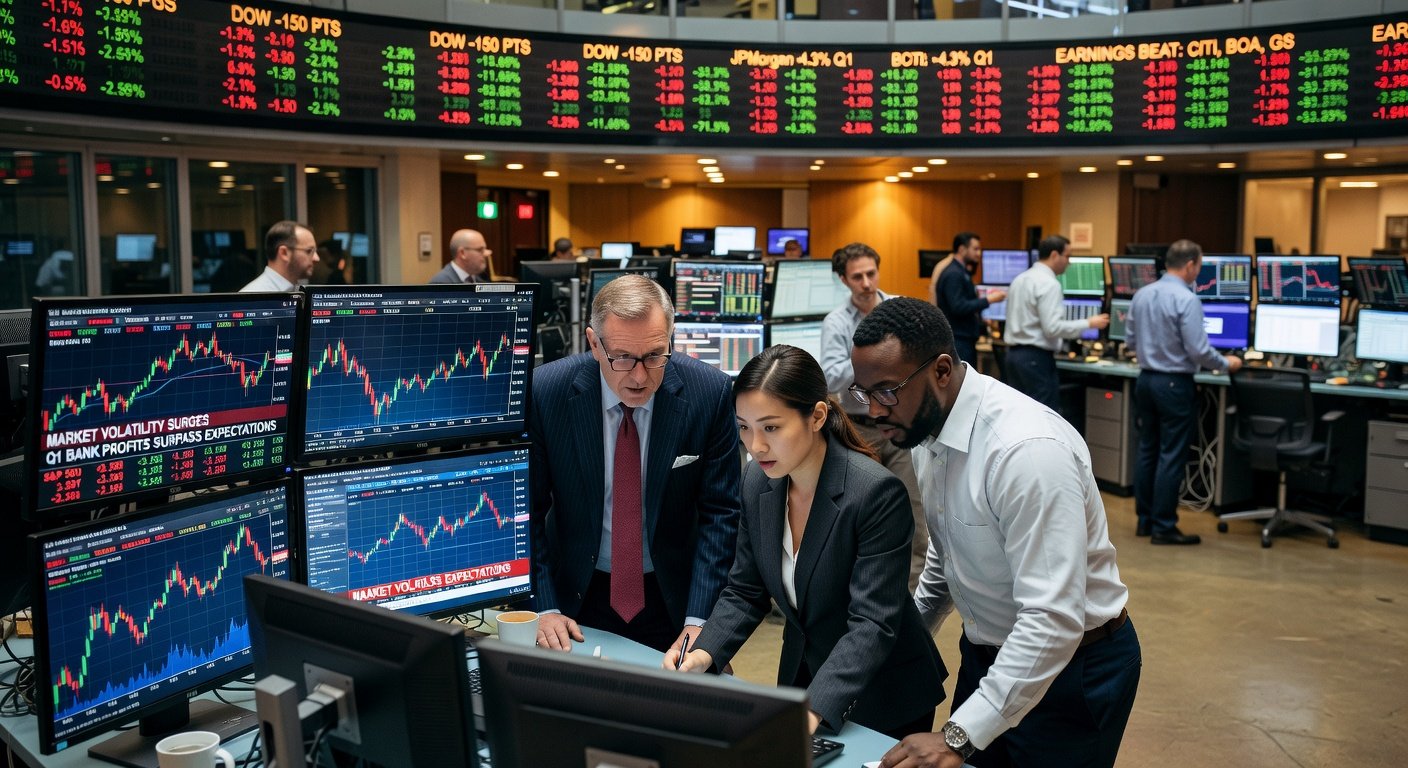
New York traders watched screens flicker with green numbers on April 15 as Morgan Stanley unveiled Q1 2026 results that smashed expectations.
The investment bank posted record revenue of $20.58 billion, a 16% jump from the year-ago quarter. Profit soared 29% to $5.57 billion. Shares rose 3% in early trading.
Goldman Sachs followed with its own blockbuster figures the same day. Profit climbed 19% to $5.63 billion on $17.23 billion in revenue. Banking and markets divisions generated a record $12.74 billion, fueled by dealmaking and trading desks that capitalized on swings.
Wall Street Journal reporters noted Goldman navigated volatility from escalating US-Iran tensions, which spiked oil prices and sent stocks tumbling 4% last week.
JPMorgan Chase kicked off earnings season earlier with net income up 13% to $16.49 billion, or $5.94 per share, on $50.54 billion revenue. The nation's largest bank by assets weathered market chaos tied to Middle East flare-ups.
CEO Jamie Dimon addressed investors from JPMorgan's New York boardroom.
Bank of America CEO Brian Moynihan echoed that view after his firm's results.
Markets digested the reports with a sigh of relief. The S&P 500 Financials sector climbed 2.1% on April 15. Bond yields ticked higher as investors bet on economic strength.
CNBC analysts highlighted strong trading revenues across the board. JPMorgan's markets division pulled in $10.2 billion, up 8%, while Morgan Stanley's equity trading surged 22%.
Private credit emerged as a bright spot. Goldman Sachs grew its direct lending portfolio to $80 billion, tapping demand from companies avoiding traditional loans amid high interest rates.
Geopolitical risks lingered in executive commentary. Dimon flagged US-Iran developments that drove Brent crude above $90 per barrel last week, squeezing refiners and airlines.
Morgan Stanley CFO Sharon Yeshaya told analysts during the earnings call that trading desks positioned early for volatility.
We saw opportunities in fixed income and currencies as tensions built.The bank raised its full-year profit outlook by 5%.
Fortune contributors noted bank CEOs tempered optimism with cautions on private credit expansion and election-year uncertainties. Still, deposit betas fell to 40% at JPMorgan, signaling stickier customer funds.
Smaller peers like Wells Fargo and Citigroup report later this week. Investors eye consumer lending data for cracks after 5.3% unemployment held steady in March.
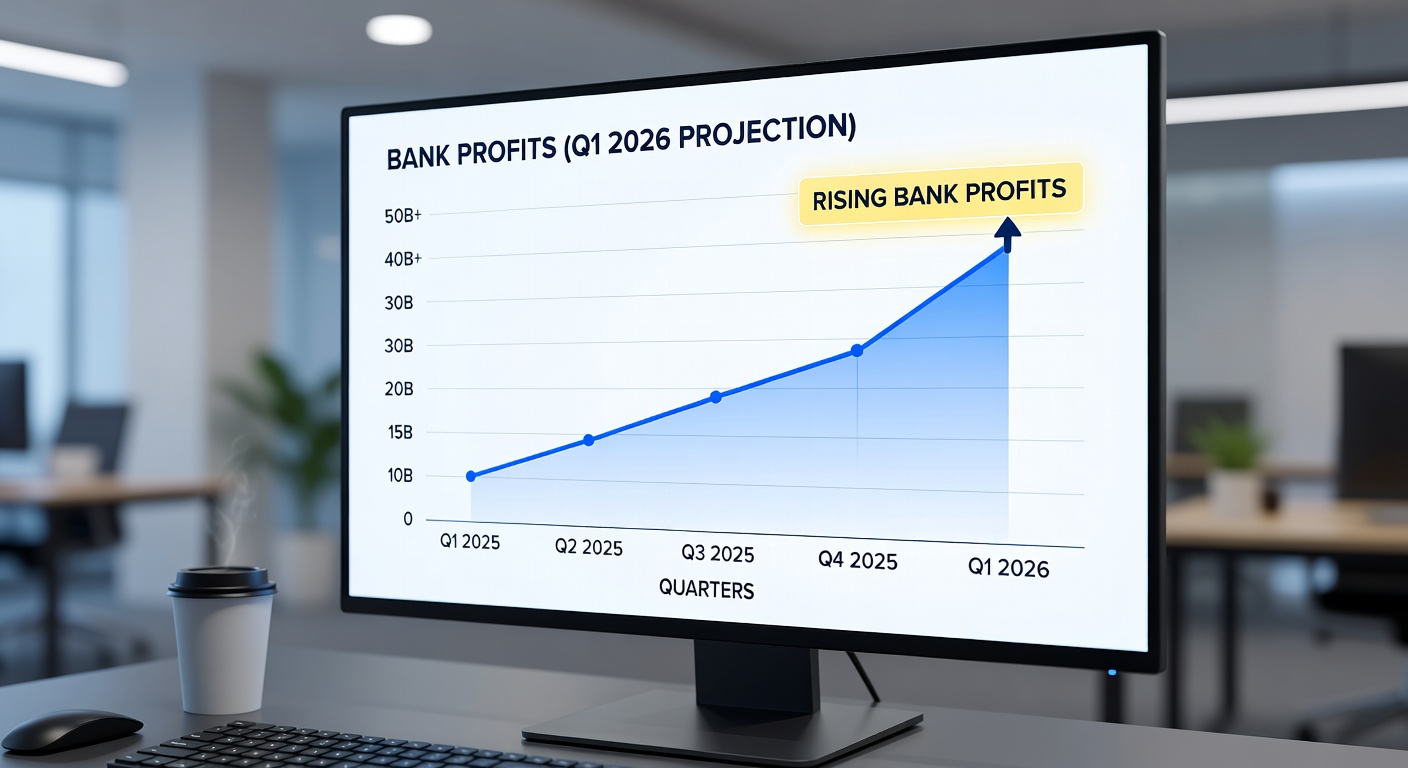
Trading volumes hit 12 billion shares daily during last week's turmoil, the highest since March 2025. Banks captured fees from the frenzy, offsetting slower mergers amid antitrust scrutiny.
Goldman Sachs investment banking fees rose 21% to $2.2 billion, driven by IPOs and debt issuances. CEO David Solomon credited a pipeline of 150 deals worth $1.5 trillion.
Overall, the earnings painted a picture of Wall Street's adaptability. Revenue across the three banks topped $88 billion combined, up 14% year-over-year. Profits exceeded $27 billion.
Analyst Susan Katzke at Credit Suisse told clients via note: These banks proved trading prowess amid shocks. JPMorgan's 50 basis point CET1 ratio offers firepower for buybacks.
Markets now pivot to Federal Reserve signals. Chair Jerome Powell speaks April 17 on rate cuts, with traders pricing a June start after sticky 3.1% CPI.
Resilience defined the quarter, even as black swan risks loomed from Tehran to Washington.