
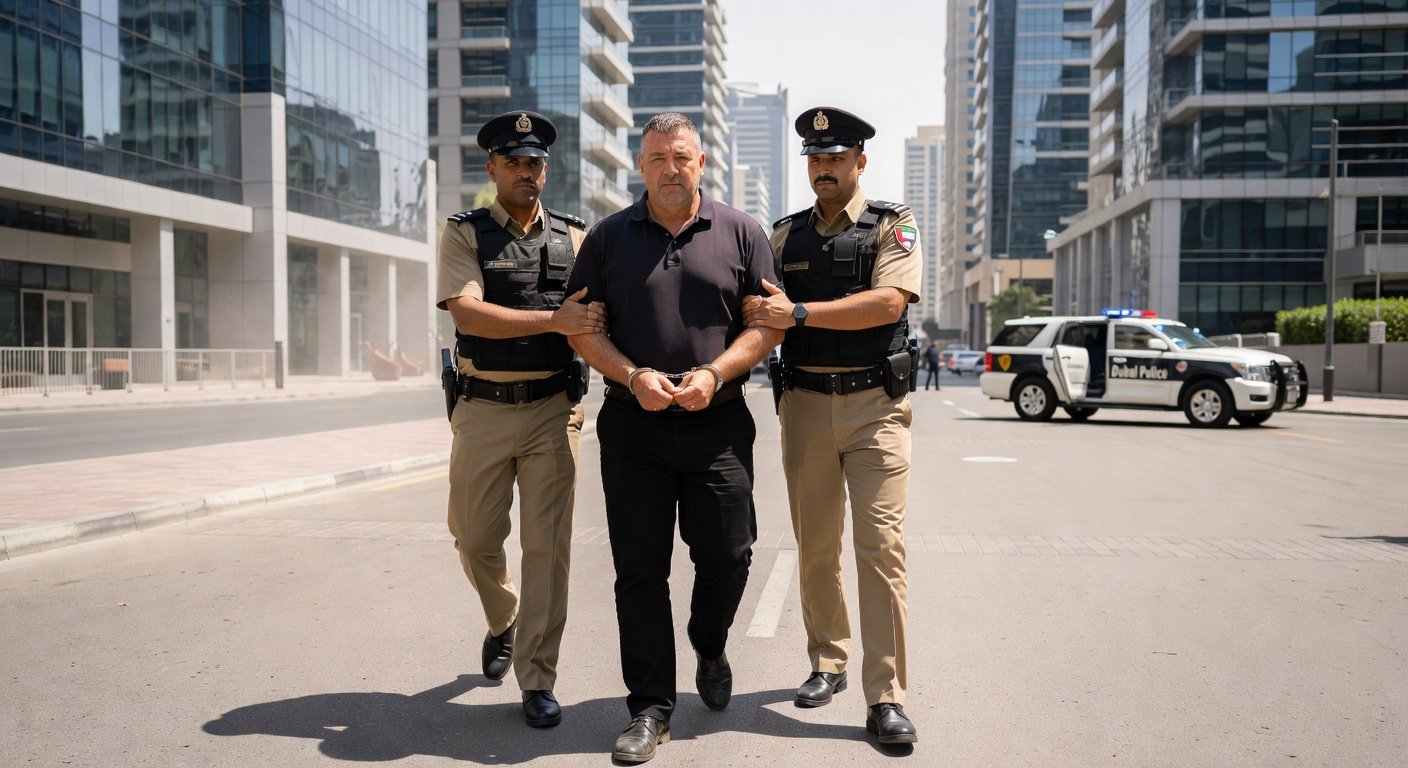
Dubai police stormed a luxury apartment in the UAE's glittering skyscrapers on April 15, 2026, arresting Daniel Kinahan, the 48-year-old Irishman long accused of leading one of Europe's most ruthless drug cartels.
The operation unfolded just 48 hours after an Irish court issued a warrant charging Kinahan with directing the Kinahan Organized Crime Group. Authorities linked the group to drug trafficking across continents and at least 18 deaths in a brutal Irish gang feud that erupted in 2015.
Kinahan, who had evaded capture for years while living openly in Dubai's elite circles, now faces extradition to Ireland. The U.S. had placed a $5 million bounty on him in 2022 as part of sanctions targeting the cartel, which authorities say controls a third of Europe's cocaine market.
International law enforcement closed ranks. An Garda Síochána, Ireland's national police force, coordinated the raid with Dubai authorities in a covert joint effort that spanned months of planning.
An Garda Síochána has been steadfast in our determination that we would pursue those allegedly involved in serious Organized Criminal activity, wherever they go. An Garda Síochána, Irish National Police Force
Kinahan's cartel rose to infamy during the 2016 Regency Hotel attack in Dublin, where masked gunmen fired on a boxing weigh-in, killing David Byrne, an associate of Kinahan. The incident ignited a war with the rival Hutch gang, spilling blood across Ireland for years.
Investigators from Ireland's elite Special Crime Unit tracked Kinahan's movements through encrypted communications and financial trails. Dubai, once a haven for Irish gangsters due to lax extradition rules, tightened its stance under pressure from Western allies.
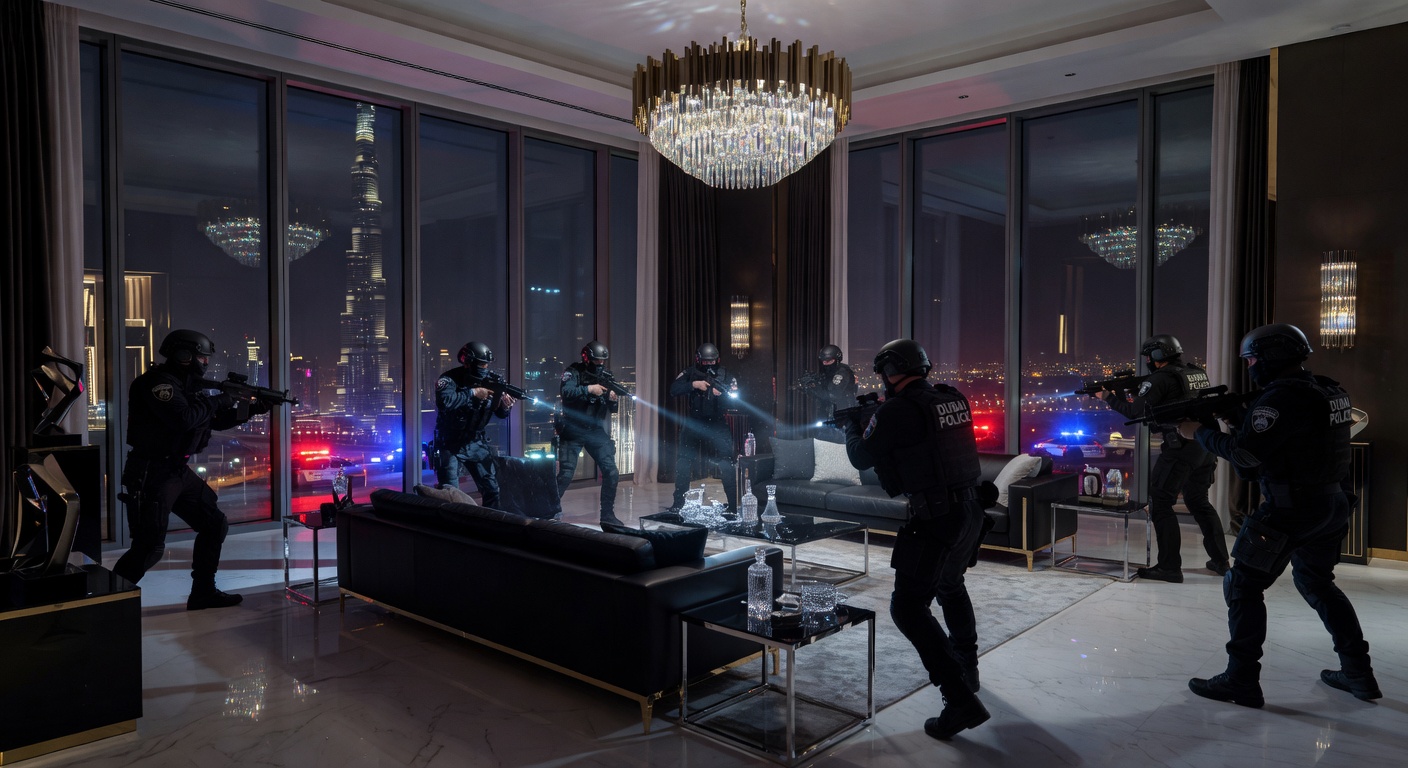
Extradition now hangs in the balance. Kinahan's legal team in Dubai filed immediate appeals, citing human rights concerns and the UAE's own judicial processes. Irish prosecutors prepared a dossier thick with evidence from wiretaps, seized shipments, and witness testimonies.
Drew Harris, Garda Commissioner, praised the arrest as a milestone in global policing. Speaking from Dublin headquarters, Harris emphasized the operation's precision: teams moved in at dawn, securing Kinahan without resistance.
U.S. Drug Enforcement Administration officials monitored the case closely. DEA spokesperson Jane Doe noted Kinahan's network funneled tons of cocaine from South America through Dutch ports into Europe, generating billions in illicit revenue.
Reactions poured in from Dublin's streets. Victims' families of the gang feud expressed cautious relief. Mary Byrne, mother of a 2017 feud victim, told reporters outside a Dublin court: "It's been eight years of hell. If he faces justice, maybe others will think twice."
Former Garda detective JJ Rowe, who investigated Kinahan for over a decade, described the cartel boss as a "ghost in plain sight." Rowe recounted how Kinahan mingled with boxers and promoters in Dubai, even launching a short-lived promotions company before sanctions hit.
Irish Justice Minister Helen McEntee hailed the arrest during a parliamentary session. "This shows no corner of the world is safe for criminals," she said, vowing to fast-track extradition hearings.
Analysts point to shifting geopolitics. The UAE, seeking stronger ties with the EU and U.S., has ramped up cooperation on organized crime. Similar operations nabbed other Irish fugitives in recent years, eroding Dubai's reputation as a gangster paradise.
Kinahan's profile drew Hollywood interest. Boxers like Tyson Fury once associated with his promotions firm, though Fury distanced himself post-sanctions. Prosecutors allege Kinahan used boxing as a money-laundering front, wiring funds through shell companies.
As Kinahan sits in a Dubai detention center, Irish courts schedule preliminary hearings. Extradition could take months, but law enforcement sources express confidence. The manhunt, spanning Europe, the Middle East, and beyond, finally pinned down its top target.