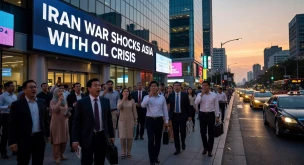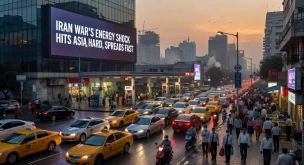

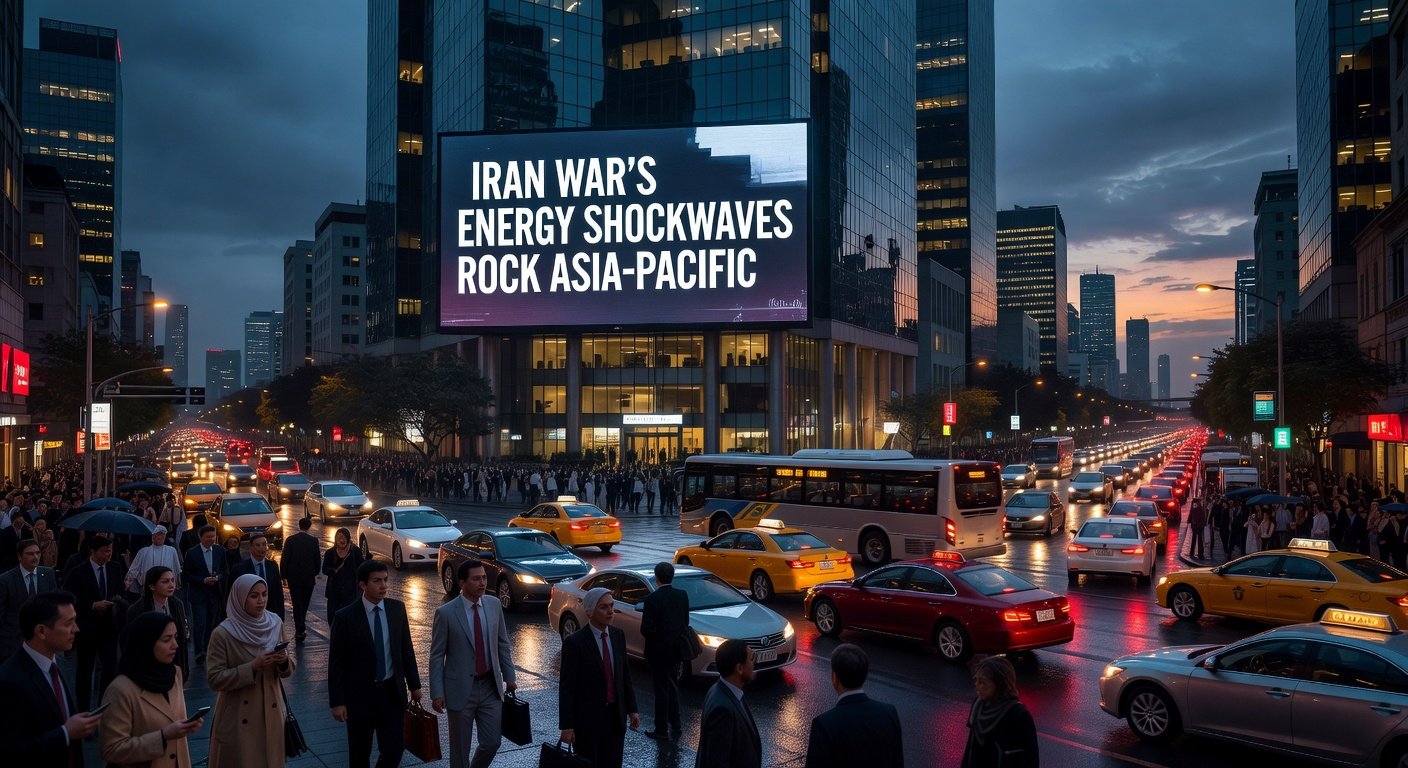
Blackouts swept Manila's streets on March 15 as the Philippines declared a national energy emergency, just weeks after U.S. and Israeli strikes ignited war in Iran.
The conflict erupted on February 28, 2026, when strikes closed the Strait of Hormuz, severing 20% of global oil supplies and most liquefied natural gas headed to Asia. Ships idled off Ras Laffan in Qatar after QatarEnergy declared force majeure on March 4, halting 80% of its Asia-bound LNG volumes destined for China, Japan, India, and South Korea.
LNG spot prices in Asia doubled to $25.40 per million British thermal units that same day, with some markets seeing surges over 140%. Oil prices jumped 45%, natural gas 55%, and fertilizers 35% since late February, UN data shows.
In Vietnam, oil reserves dipped below 20 days by mid-March, while Thailand and India hovered around two months. South Korea's stocks cratered 19.9% from their February peak, dragging regional markets lower.
The most immediate economic impact…are considerable increases in freight costs and oil, gas and fertilizer prices.
Hamza Ali Malik, director of the Macroeconomic Policy Division at UN ESCAP, issued that warning in a March 19 UN News report detailing supply chain fractures from the Middle East war.
Factories in India's Gujarat state slowed production as fertilizer shortages hit rice and wheat fields. Japanese refineries in Yokohama rationed fuel, forcing rolling blackouts in Tokyo suburbs.
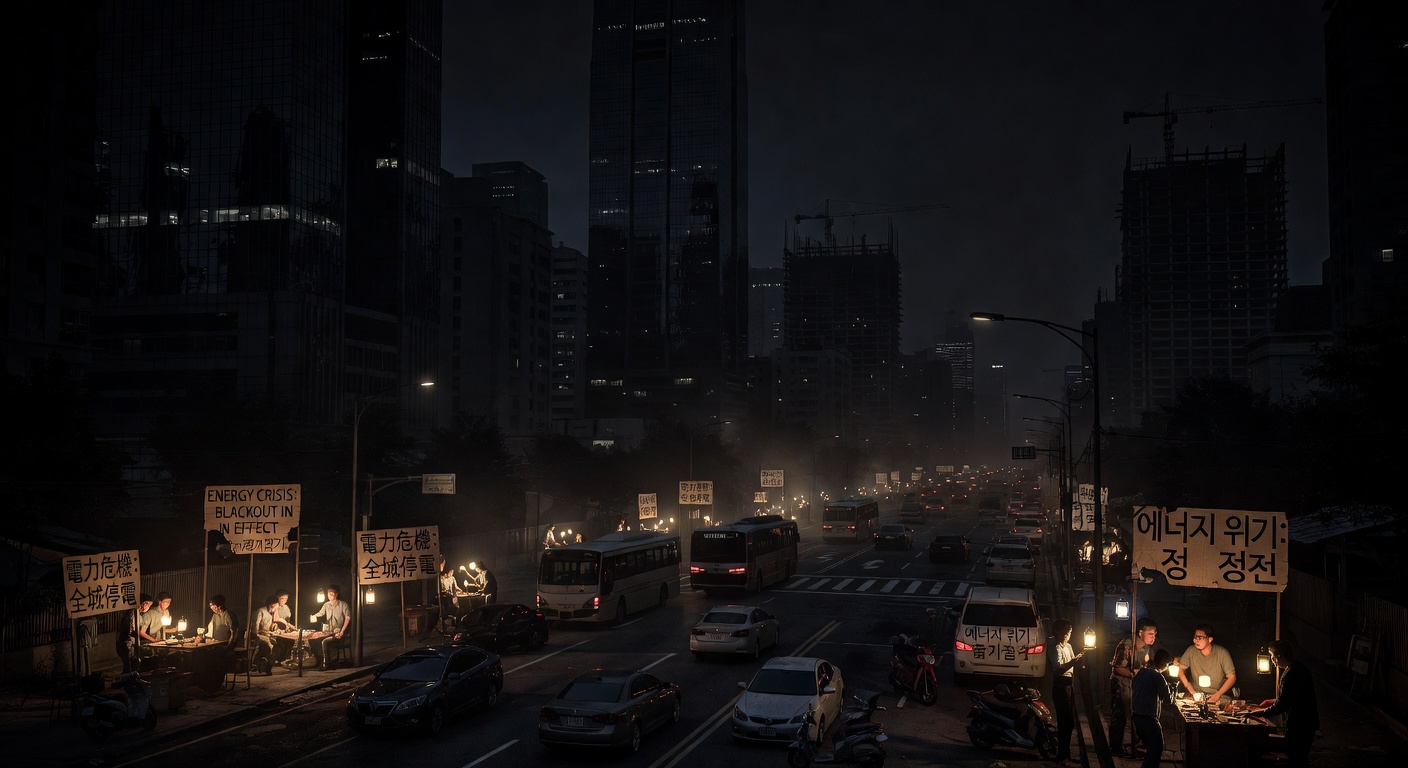
This is not only a Middle East oil shock but also a wider Asian gas and power-security problem, said Lim, an energy expert cited in TIME magazine, as Vietnam's power grid flickered under strain.
China, the world's top LNG importer, scrambled to redirect cargoes from Australia and the U.S., but delivery lags compounded the crisis. Japanese Prime Minister Fumio Kishida convened emergency cabinet meetings on March 10, pledging $5 billion in fuel stockpiling subsidies.
South Korean President Yoon Suk Yeol addressed the nation on March 12, linking the 19.9% KOSPI plunge to Hormuz disruptions.
Analysts at the New York Times reported on April 20 that crisis scenes multiplied across the Asia-Pacific, from Indonesian coal plant shutdowns to Thai trucker protests over diesel prices tripling to 45 baht per liter.
UN ESCAP's Malik projected freight costs rising 30% further if the Strait remains closed beyond May, hitting rice exports from Vietnam and Thailand hardest. India's oil minister Hardeep Singh Puri told parliament on March 18 that strategic reserves would cover essentials, but urged rationing.
Indonesia's state oil firm Pertamina airlifted diesel to remote islands as pipelines ran dry. In the Philippines, fishing boats sat idle off Cebu, stranding 50,000 tons of seafood worth $120 million monthly.
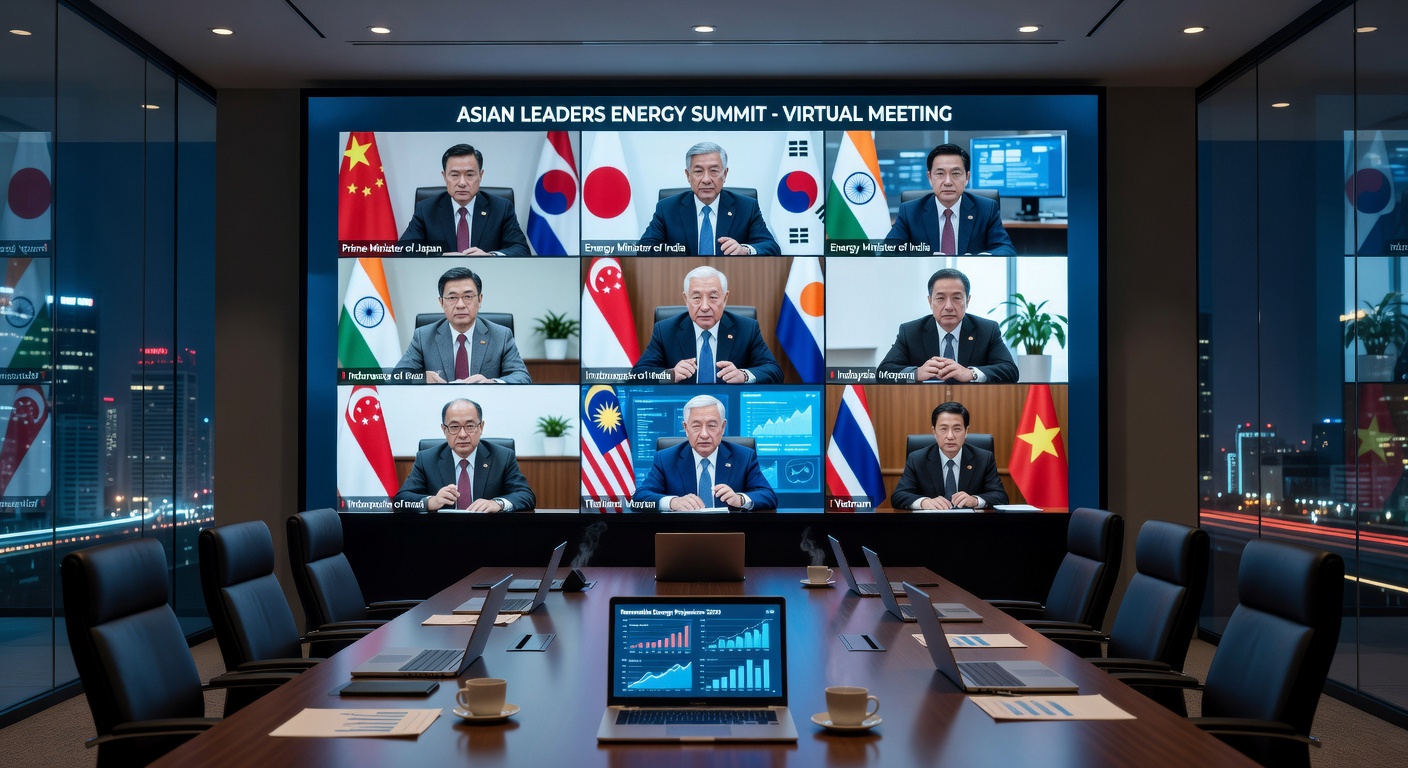
Regional leaders gathered virtually on March 22 for an ASEAN+3 energy summit, where Japan's trade minister Yasutoshi Nishimura called for diversified suppliers. Dr. Mei Ling Chen, senior economist at the Asian Development Bank in Manila, noted in a briefing that LNG imports to Asia fell 25% in March alone.
The war's toll shows no signs of easing. Qatar's Ras Laffan facility, source of 20% of global LNG, faces 3-5 years of outages per Wikipedia's economic impact page on the 2026 Iran war. Asian nations, lacking Iran's 2.5 million daily barrels, now eye riskier routes around Africa, adding 10-15 days to voyages.
| Country | Oil Reserves (Days) | LNG Price Surge | Stock Drop |
| Vietnam | <20 | 140%+ | N/A |
| Thailand/India | ~60 | 100%+ | N/A |
| South Korea | 90+ | 100%+ | 19.9% |
| Philippines | 45 | Doubled | 15.2% |
Southeast Asian power grids teetered closest to collapse. Philippine Energy Secretary Raphael Lotilla testified before Congress on March 17 that without Hormuz reopening, blackouts could span 12 hours daily by April.
Broader ripples hit manufacturing. South Korean shipyards in Ulsan idled 20% of workers as steel fertilizer inputs vanished. Chinese solar panel factories in Jiangsu cut output 15%, delaying U.S.-bound exports.
Professor Akira Tanaka at Tokyo University's Energy Institute warned in a Nikkei interview that prolonged closure risks 2-3% GDP hits across Northeast Asia. Indian Commerce Minister Piyush Goyal echoed this on March 25, projecting $50 billion in added import costs for 2026.
U.S. officials, monitoring from the Pentagon, dispatched two Navy fuel tankers to Diego Garcia on March 8, easing some pressure on allies. Yet Asia's vulnerability underscores its outsized reliance on Gulf energy—Japan sources 90% of LNG from the region, per government data.
Problems compound daily. Thai rice farmers in the Chao Phraya basin reported 40% yield risks from fertilizer hikes, threatening global food prices. Vietnamese garment factories in Ho Chi Minh City shed 10,000 jobs amid power cuts.
As April dawned, the New York Times captured empty shelves in Seoul convenience stores, where propane canister prices quadrupled. The shockwaves from Iran's war, once confined to the Middle East, now pulse through Asia's veins, with no quick end in sight.