
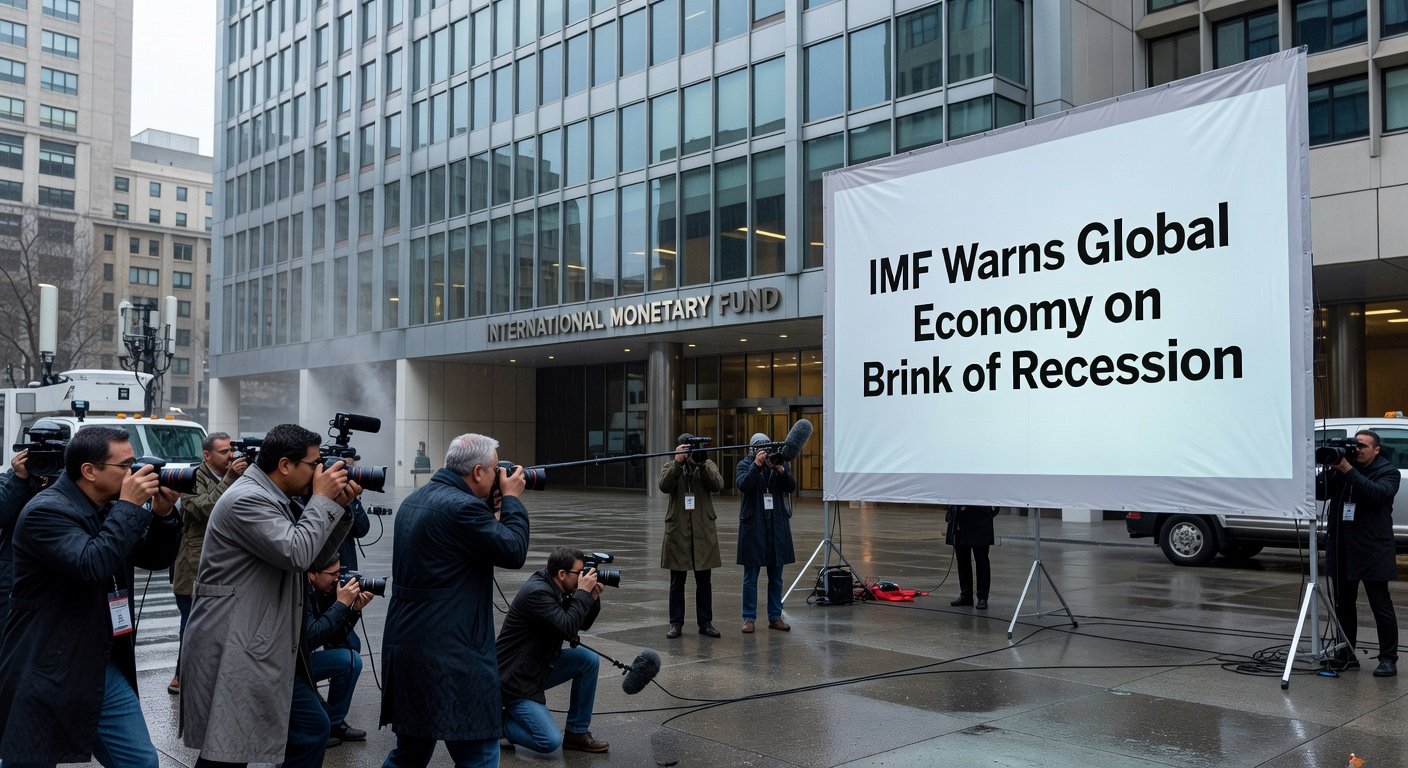
Soaring oil prices from the Iran conflict have pushed the global economy toward recession, the IMF warned on April 18, 2026, during its Spring meetings in Washington DC.
The fund slashed its 2026 global growth forecast to 3.1%, down 0.2 percentage points from prior estimates. In a severe scenario with Brent crude hitting $110 per barrel, growth could drop below 2% while inflation surges above 6%.
Kristalina Georgieva, IMF Managing Director, told reporters the damage lingers even after conflicts end.
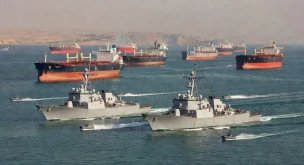
Iran agreed that day to reopen the Strait of Hormuz, a vital artery for 20% of global oil flows. Brent futures still point to $77 per barrel by year-end, with pre-war levels not expected until 2029.
Pierre-Olivier Gourinchas, IMF Chief Economist, detailed the revised outlook at the meetings.
— Pierre-Olivier Gourinchas, IMF Chief Economist: The war has stopped momentum. Growth is now 3.1% under reference forecast.
US gasoline prices need Brent at $60 per barrel to stay at $3 per gallon. Analysts now see that threshold slipping to 2030.
| Scenario | 2026 Global Growth | Inflation |
|---|---|---|
| Baseline | 3.1% | ~4% |
| Severe ($110/bbl) | 2.0% | >6% |
The United States faces milder headwinds. IMF pegs 2026 US growth at 2.3%, trimmed just 0.1 point, thanks to tax cuts, Federal Reserve rate reductions, and AI-driven investments.
Gita Gopinath, IMF First Deputy Managing Director, noted during a BBC panel that American resilience stems from diversified energy sources and tech spending. US Treasury officials downplayed short-term pain, citing strategic reserves.
Europe bears heavier costs. Germany’s factories idle amid $100-per-barrel spikes, while Japan’s import bill balloons. Developing nations like India face stagflation as food and fuel costs climb.
Peter Praet, former ECB chief economist now at the Business Times, warned of 1970s-style traps. NPR coverage from the meetings highlighted finance ministers' urgency over Iran’s Strait closure, which halved tanker traffic for weeks.
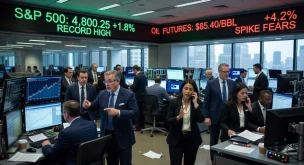
IMF models show oil at $82 per barrel in the baseline, up from $77 futures. A prolonged Hormuz blockade could add 2% to global inflation by mid-2027.
Georgieva urged coordinated action: targeted subsidies for vulnerable households, accelerated renewables, and diplomatic pushes for ceasefires. US delegates pushed back, emphasizing market adjustments over intervention.
The forecast arrives as leaders gather in Washington DC. Central bankers eye rate paths amid conflicting signals: resilient jobs data versus energy shocks.