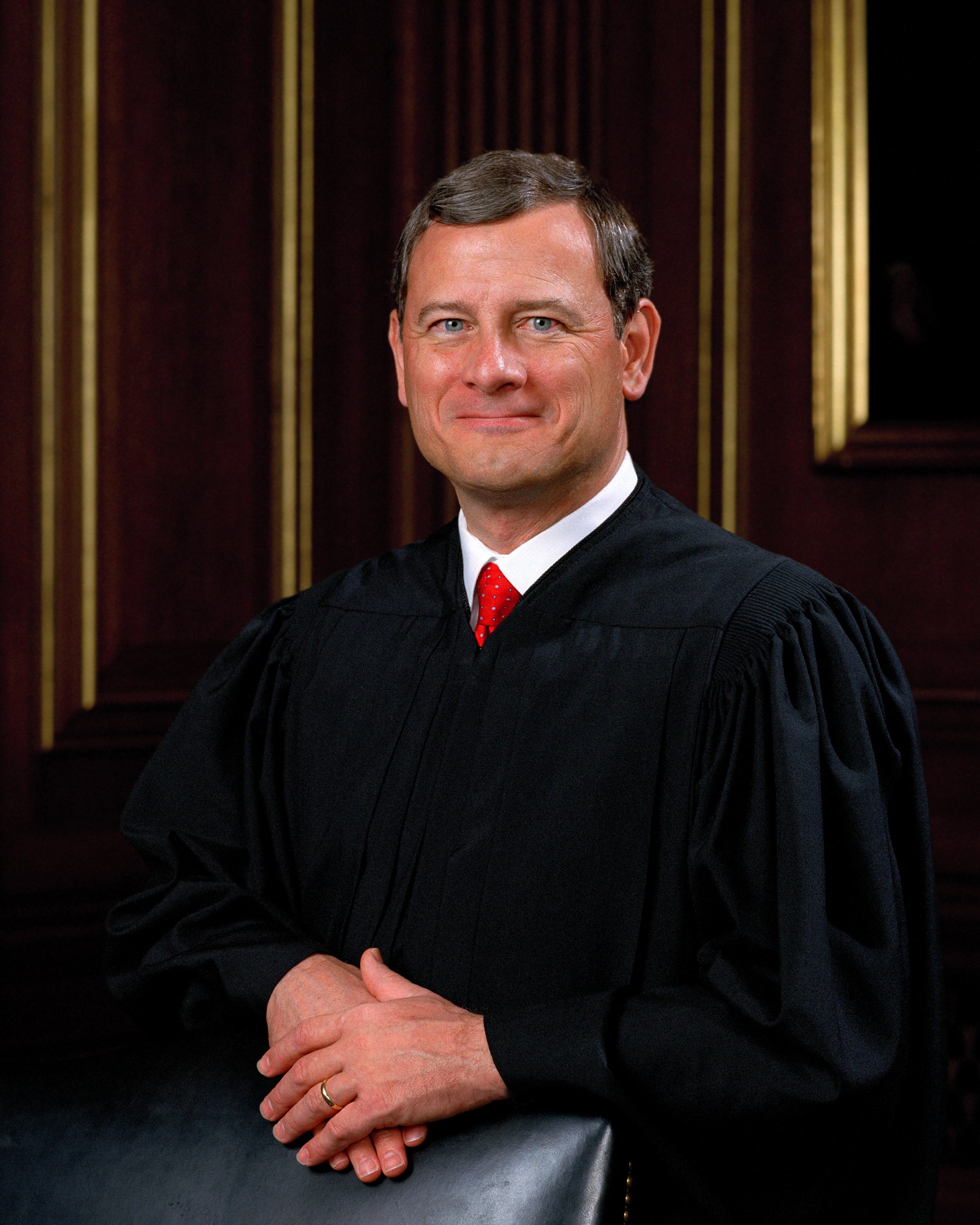

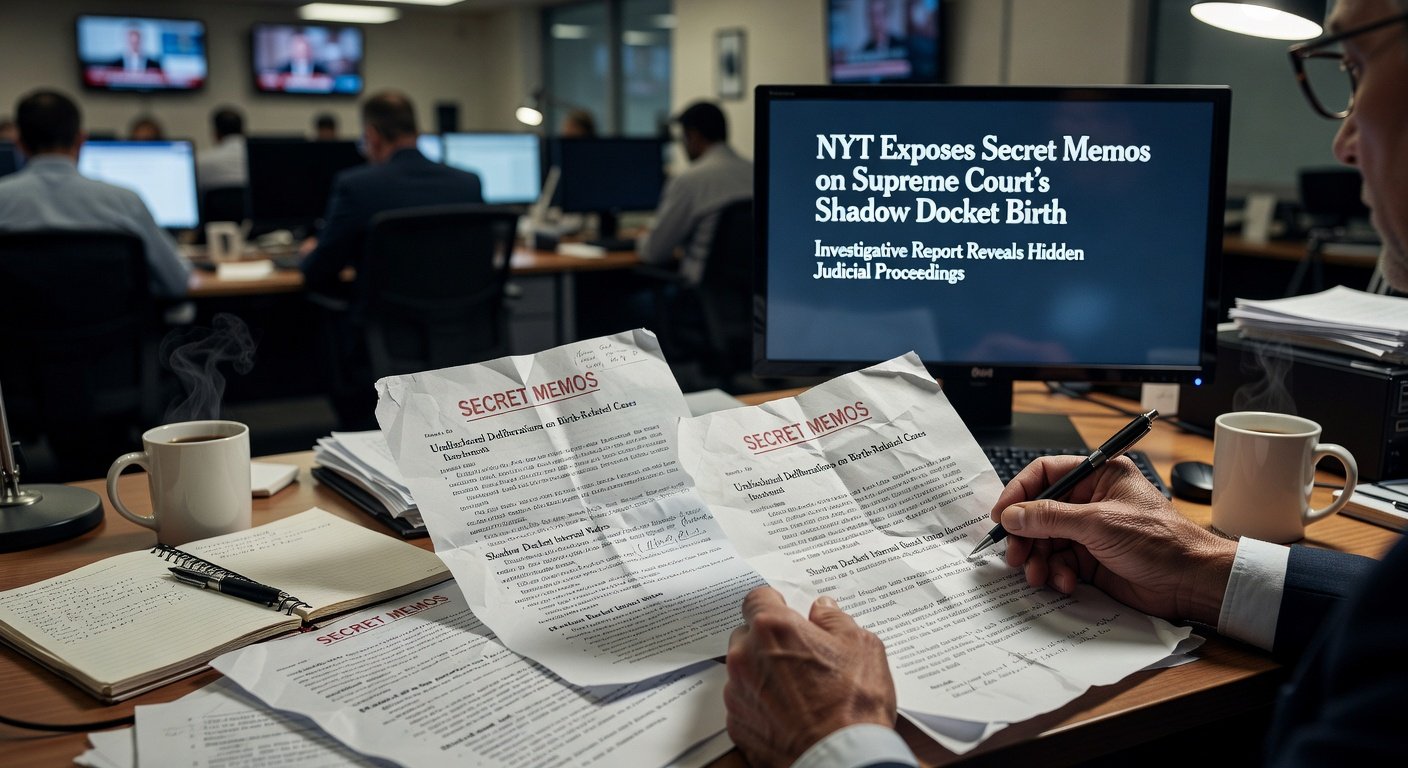
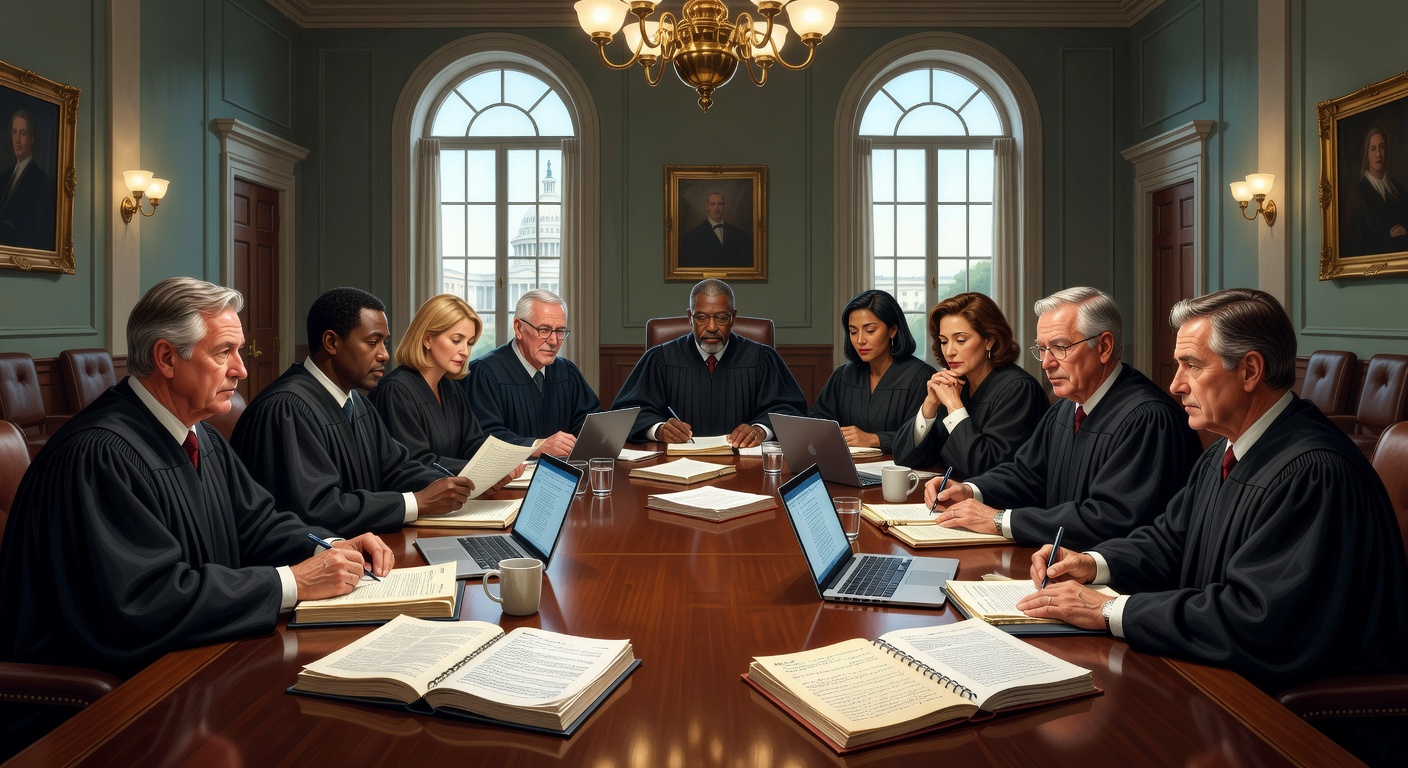
Chief Justice John G. Roberts Jr. circulated memos in early February 2016 pressing fellow justices to halt President Barack Obama's Clean Power Plan before a lower court could weigh in.
The New York Times published 16 pages of those confidential documents on Friday, detailing exchanges among the justices over five days from February 5 to February 9. The memos show Roberts leading a 5-4 conservative majority to issue an emergency stay on February 9, blocking the Environmental Protection Agency rule targeting power plant emissions.
Roberts described the EPA regulation as "the most expensive regulation ever imposed on the power sector," projecting costs up to $480 billion for states and industry. In a memo, he argued the rule faced long odds of surviving judicial review.
"Without a stay of the EPA's rule, both the states and private industry will suffer irreparable harm from a rule that is—in my view—highly unlikely to survive."
Justice Stephen G. Breyer, writing for the liberal dissenters, called the move unusual. The stay bypassed the D.C. Circuit Court of Appeals, where challenges to the rule were pending, and skipped the court's typical briefing and oral argument process.
Justice Samuel A. Alito Jr. and Anthony M. Kennedy joined Roberts, Clarence Thomas, and Samuel Alito in the majority. Justices Ruth Bader Ginsburg, Sonia Sotomayor, Elena Kagan, and Stephen Breyer opposed it.
"I recognize that the posture of this stay request is not typical," Roberts acknowledged in one document, obtained by the Times through an unidentified source.
Legal scholars trace the modern "shadow docket"—unsigned orders on emergency appeals—to this Clean Power Plan case. The Times analysis highlights how the memos reveal Roberts' pivotal role in building consensus for quick action.
Joan Biskupic, Supreme Court biographer and CNN analyst, reviewed the documents.
Stephen Vladeck, University of Texas law professor and shadow docket critic, called the release a rare glimpse into deliberations. "The 5-4 split mirrors today's divisions, but this was the origin story," Vladeck said in an interview. He noted the memos show justices grappling with bypassing the D.C. Circuit despite its denials of stays.
The Clean Power Plan aimed to cut carbon emissions 32% from 2005 levels by 2030. Challengers, including 27 Republican-led states and coal companies, sought the stay hours after Obama's EPA finalized it in August 2015.
| Shadow Docket Case: Clean Power Plan Stay | Details |
| Date of Stay | February 9, 2016 |
| Memos Released | 16 pages, Feb 5-9, 2016 |
| Vote | 5-4 (Roberts, Thomas, Alito, Kennedy majority) |
| Projected Cost | Up to $480 billion |
| Court Bypassed | D.C. Circuit Court of Appeals |
Erik Baptist, energy policy expert at the Institute for Policy Integrity at NYU, said the stay delayed implementation until the full court struck down the plan 5-4 in 2022's West Virginia v. EPA. "Industry celebrated; environmental groups saw it as a preview of regulatory rollbacks," Baptist noted.
Chief Justice Roberts' office declined immediate comment on the memos' authenticity. A Supreme Court spokesperson referred inquiries to the Times report.
Justice Elena Kagan, in a 2022 dissent, criticized shadow docket overuse. The 2016 memos, per the Times, mark its first major use under Roberts' leadership.
Washington, D.C., remains the epicenter. The high court's shadow docket has expanded, handling election disputes, abortion stays, and immigration policies without full arguments.
Adam Feldman, senior legal analyst at NYU's Brennan Center, pored over the excerpts. "Roberts' language shows calculated persuasion—economic harm first, legality second," he observed. Feldman pointed to seven memos detailing the rapid internal debate.
- February 5: Roberts circulates initial stay proposal.
- February 6-8: Kennedy seeks more data; Alito supports.
- February 9: 5-4 order issues at 5:22 p.m.
The disclosure revives questions about transparency. Senate Judiciary Committee Democrats have pushed for more shadow docket disclosures amid recent 5-4 orders favoring Republican priorities.
No infighting emerged in the memos, the Times reported. Justices debated merits politely, with Roberts threading the needle for Kennedy's vote.