
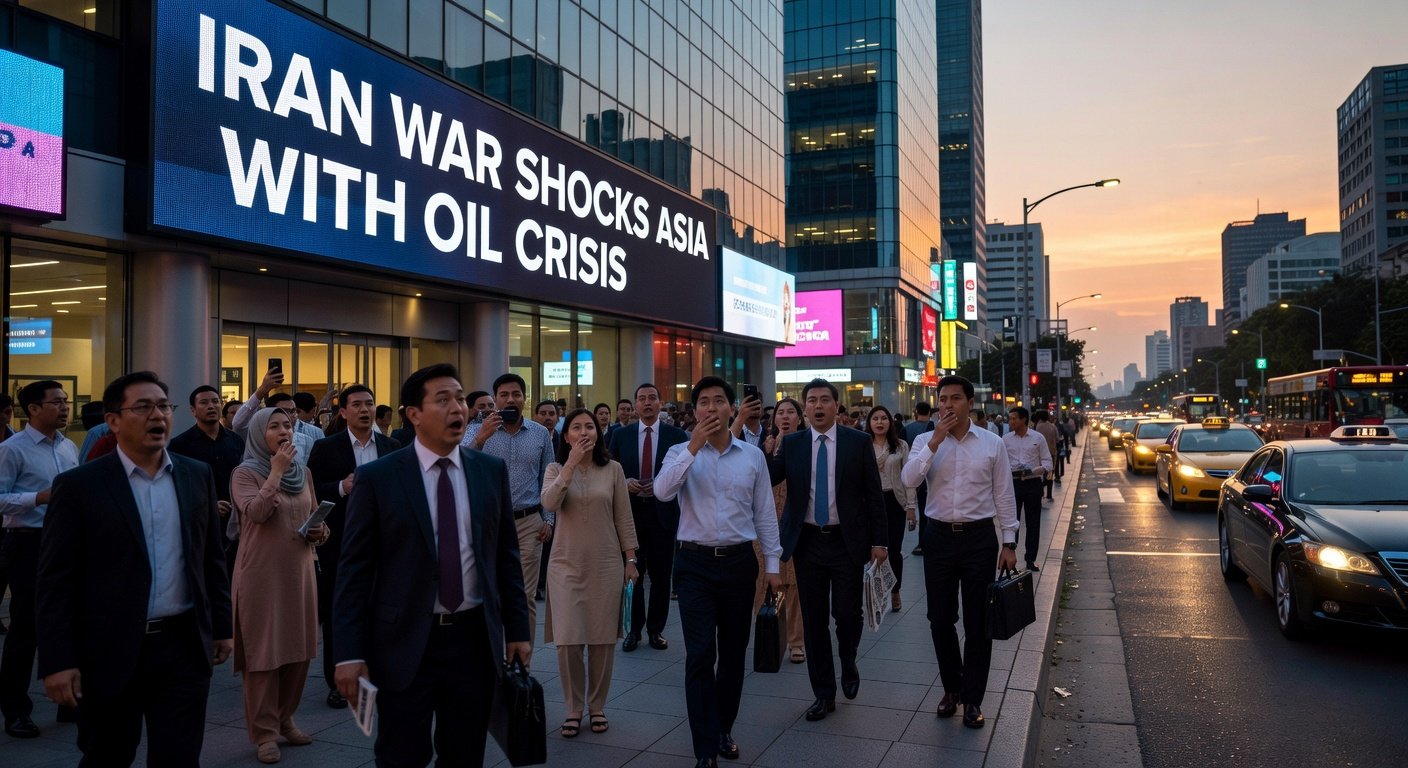
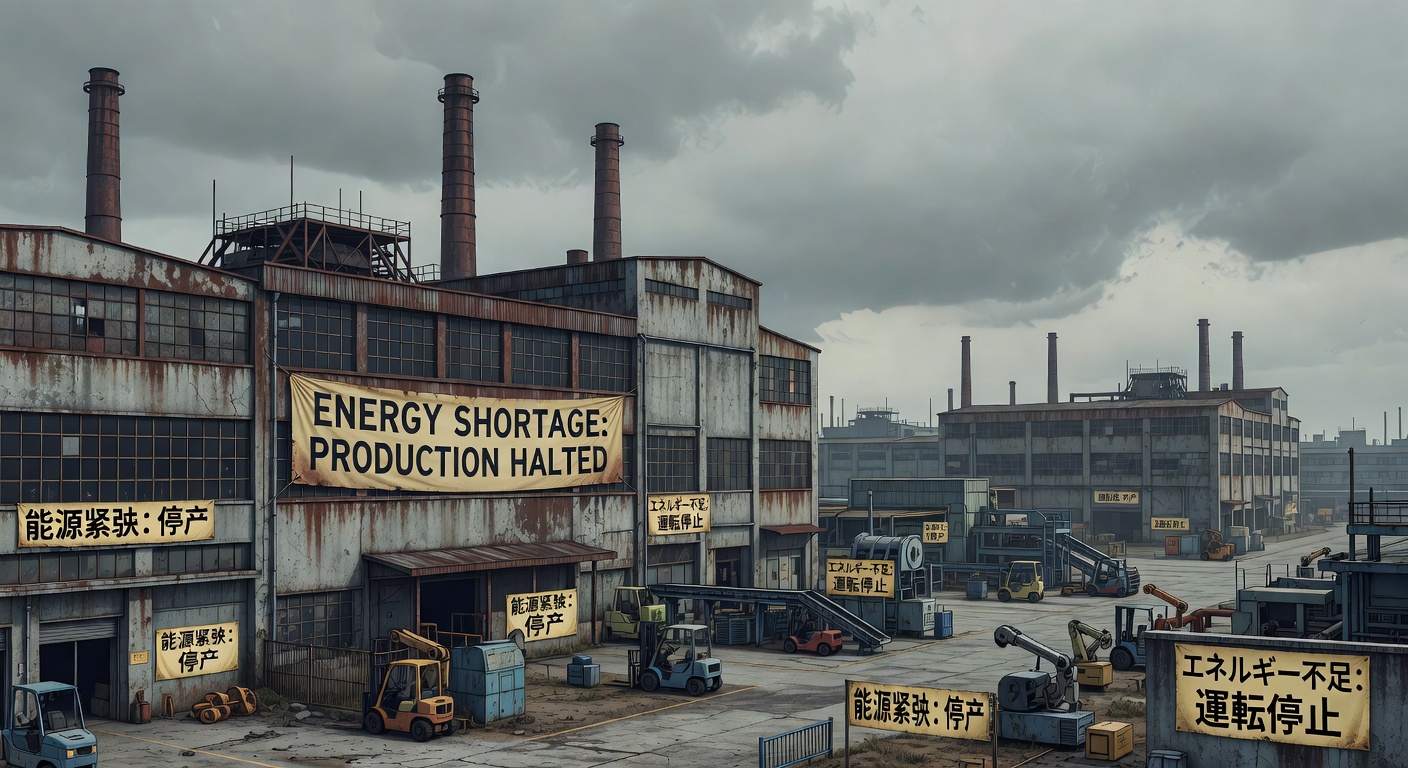
Factories in South Korea grind to a halt as LNG prices double overnight. The Strait of Hormuz, sealed since February 28, 2026, chokes off 20% of the world's oil and key LNG shipments bound mostly for Asia.
South Korea's stock market shed 19.9% from its February peak by early March. India's economy faces a potential 4% GDP hit if the disruptions drag on, according to economic models circulating in New Delhi.
China imports 5.2 million barrels per day through the strait, Japan 2.3 million, South Korea 2.2 million, and India another 2.3 million—80-90% of Hormuz flows head straight to these markets. QatarEnergy invoked force majeure at its Ras Laffan facility, which supplies 20% of global LNG, with 80% routed to Asia.
LNG spot prices in Asia surged past $25.40 per MMBtu by March 4, 2026, more than double pre-crisis levels and the sharpest jump since 2022. Asia's LNG imports plummeted in tandem, the biggest drop in four years.
The most immediate economic impact…are considerable increases in freight costs and oil, gas and fertilizer prices.
Hamza Ali Malik, Director of Macroeconomic Policy Division at UN ESCAP, issued that warning in a UN News report on the spreading crisis.
Philippines President Ferdinand Marcos Jr. declared a national energy emergency on March 3, rationing power in Manila amid dwindling reserves. Thailand holds less than 20 days of oil stocks, Vietnam around 60 days—both nations scramble for spot cargoes at premiums.
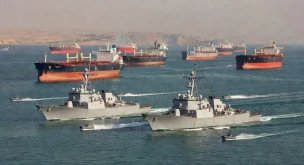
Freight rates for very large crude carriers spiked 140% in days, stranding tankers off Oman. Refineries from Busan to Mumbai cut runs, idling millions of barrels of capacity.
Japan's trade ministry activated emergency stockpiles, releasing 240 days of reserves to shield Tokyo's power grid. South Korea's POSCO steelworks slashed output by 30%, citing gas shortages.
India's oil minister Hardeep Singh Puri convened crisis talks in New Delhi, eyeing Russian crude swaps despite U.S. sanctions pressure. Beijing diplomats pressed Tehran for exemptions, but no breakthroughs emerged.
| Country | Daily Oil Imports via Hormuz (mbd) | Oil Reserve Days (March 2026) |
|---|---|---|
| China | 5.2 | 90 |
| Japan | 2.3 | 240 |
| South Korea | 2.2 | 90 |
| India | 2.3 | 75 |
| Thailand | 0.8 | <20 |
| Vietnam | 0.4 | 60 |
U.S. Energy Secretary Jennifer Granholm pledged 1 million barrels per day from Strategic Petroleum Reserves to allies, but Pacific shipping lanes stretch thin. Pentagon officials monitor Houthi threats in the Red Sea, which reroute some Asia-bound cargoes longer.
ASEAN energy ministers meet virtually March 6 in Jakarta, seeking pooled reserves. Analysts at the BBC note 90% of Hormuz oil and gas targets Asia, turning a regional war into a continental crunch.
Power blackouts hit Bangkok suburbs, Vietnamese factories furlough workers. The cascade shows no sign of slowing as March wears on.