
President Donald Trump announced Friday that US negotiators will fly to Islamabad on Monday for a second round of high-stakes talks with Iran, as a fragile ceasefire teeters on the brink of collapse.
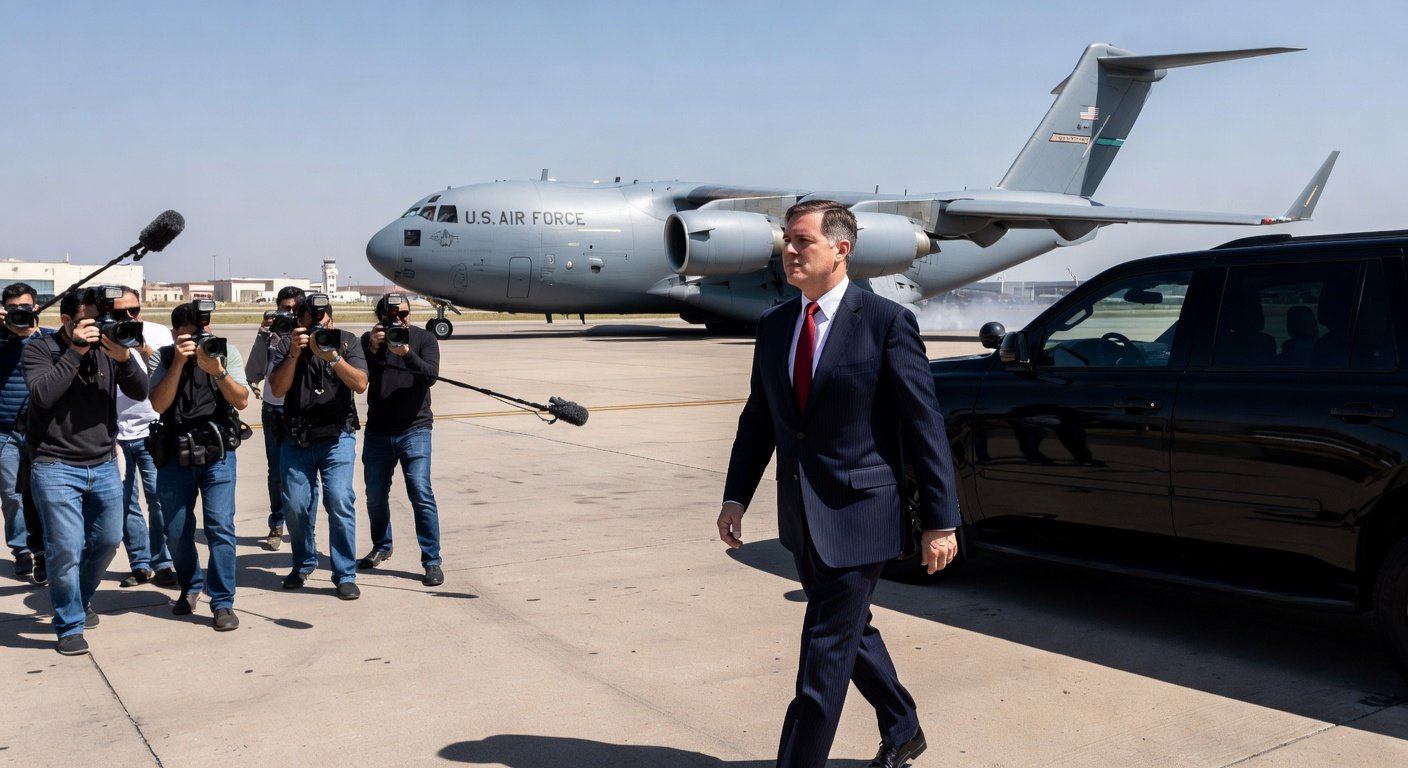
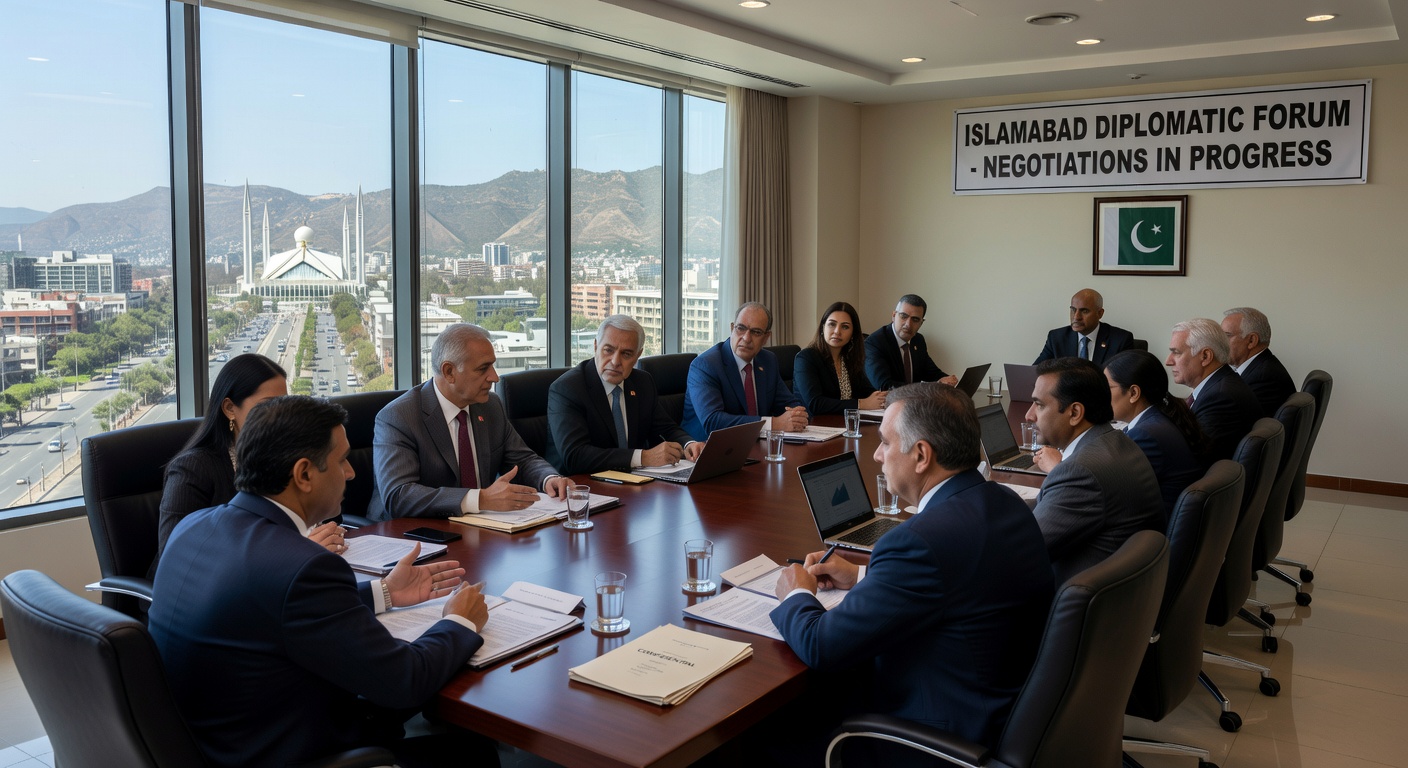
Vice President JD Vance will lead the American delegation, joined by Steve Witkoff and Jared Kushner. They arrive in Pakistan's capital on April 20, 2026, one week after the first round of discussions ended without agreement after 21 straight hours of negotiations on April 11 and 12.
The ceasefire, holding tenuously across the Strait of Hormuz, expires April 22. Trump pointed to an Iranian firing incident on US ships there on April 18 as a direct violation.
"We're talking to them," Trump said from the White House.
Trump warned that failure to reach a deal could prompt US strikes on Iranian power plants and bridges. The remarks came hours after AP News reported the travel plans, citing White House officials.
Iran's top negotiator, Mohammad Bagher Ghalibaf, acknowledged some headway from the initial session but stressed major gaps remain.
Pakistan offered to host the talks after the first round, positioning Islamabad as a neutral venue amid escalating regional pressures. US officials described the selection as pragmatic, given Pakistan's diplomatic ties to both Washington and Tehran.
Barbara Slavin, director of the Atlantic Council's Future of Iran Initiative, noted the unusual high-level US team.
Vance's involvement signals Trump's personal commitment, but Iran's hardline stance on Hormuz could derail everything.Slavin spoke to LiveMint amid reports of Trump's 'blackmail' accusation.
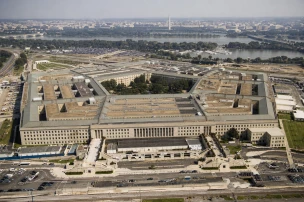
The Strait of Hormuz remains a flashpoint, through which 20% of global oil flows. The April 18 incident involved Iranian patrol boats firing warning shots at two US Navy vessels, Pentagon sources confirmed. No casualties occurred, but the event ratcheted up tensions just days before the ceasefire's end.
Ray Takeyh, a senior fellow at the Council on Foreign Relations, highlighted the risks. Pakistan's mediation role is untested at this scale, Ray Takeyh, a senior fellow at the Council on Foreign Relations, said. Trump's threats may push Iran to the table, or provoke retaliation.
First-round talks in Islamabad broke down over Iran's demands for sanctions relief and US guarantees on regional military presence. The 21-hour marathon, stretching from dawn April 11 to late April 12, yielded a temporary ceasefire but no framework deal.
White House Press Secretary Karoline Leavitt previewed the trip. The team carries a clear mandate for de-escalation, she told reporters, but won't tolerate further provocations. Leavitt emphasized Vance's role in bridging gaps left from round one.
Suzanne Maloney, deputy director of the Brookings Institution's Foreign Policy program, weighed in on the dynamics. Iran's economy strains under sanctions, she observed, giving Trump leverage. Yet Ghalibaf's comments suggest Tehran holds firm on core issues like nuclear restrictions.
Pakistani Foreign Minister Ishaq Dar welcomed the return engagement. Hosting again demonstrates Islamabad's commitment to peace, Dar said in a statement Friday. Local security forces are preparing for the high-profile arrival at Nur Khan Airbase.
The talks unfold against a backdrop of US military buildup in the Gulf. Two carrier strike groups now patrol near Hormuz, ready for any escalation. Trump reiterated his 'maximum pressure' approach, tying negotiations to verifiable Iranian restraint.
Analysts like Dennis Ross, former US Middle East envoy, see glimmers of opportunity. Pakistan's venue choice sidesteps more polarized sites like Oman or Qatar. Ross, who advised multiple administrations, told the Irish Times the second round could yield a framework if Trump dials back rhetoric.
Iran, meanwhile, bolstered coastal defenses post-April 18. State media aired footage of missile drills, framing US threats as aggression. Ghalibaf's team prepares counterproposals, sources close to the delegation said.
As Vance's plane touches down Monday, all eyes turn to Islamabad. The 48-hour window before ceasefire expiry adds urgency. Failure risks broader conflict, with US bases from Bahrain to Diego Garcia on alert.
Trump closed his remarks with optimism tempered by steel. Deals get done when both sides know the cost of walking away, US President Donald Trump said. The world watches whether Pakistan's table can forge lasting calm in the Hormuz strait.