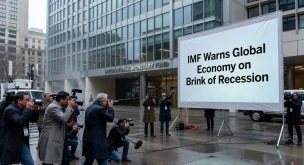

Factories in Manila ground to a halt last week as fuel pumps ran dry. The Strait of Hormuz, effectively closed since February 28, 2026, severed 20% of the world's oil and LNG supplies overnight.
That vital waterway funnels 80-90% of its cargo to Asia. China imports 5.2 million barrels per day through it, Japan and India each take 2.3 million, and South Korea 2.2 million.
LNG spot prices in Asia doubled to $25.40 per million British thermal units on March 4. QatarEnergy declared force majeure at its Ras Laffan facility, which supplies 20% of global LNG, mostly to Asian markets.
Southeast Asia reeled first. The Philippines imposed fuel rationing on March 2, limiting sales to 10 liters per vehicle. Thailand switched to four-day workweeks for government offices in Bangkok, while Vietnam closed schools in Hanoi and Ho Chi Minh City to conserve power.
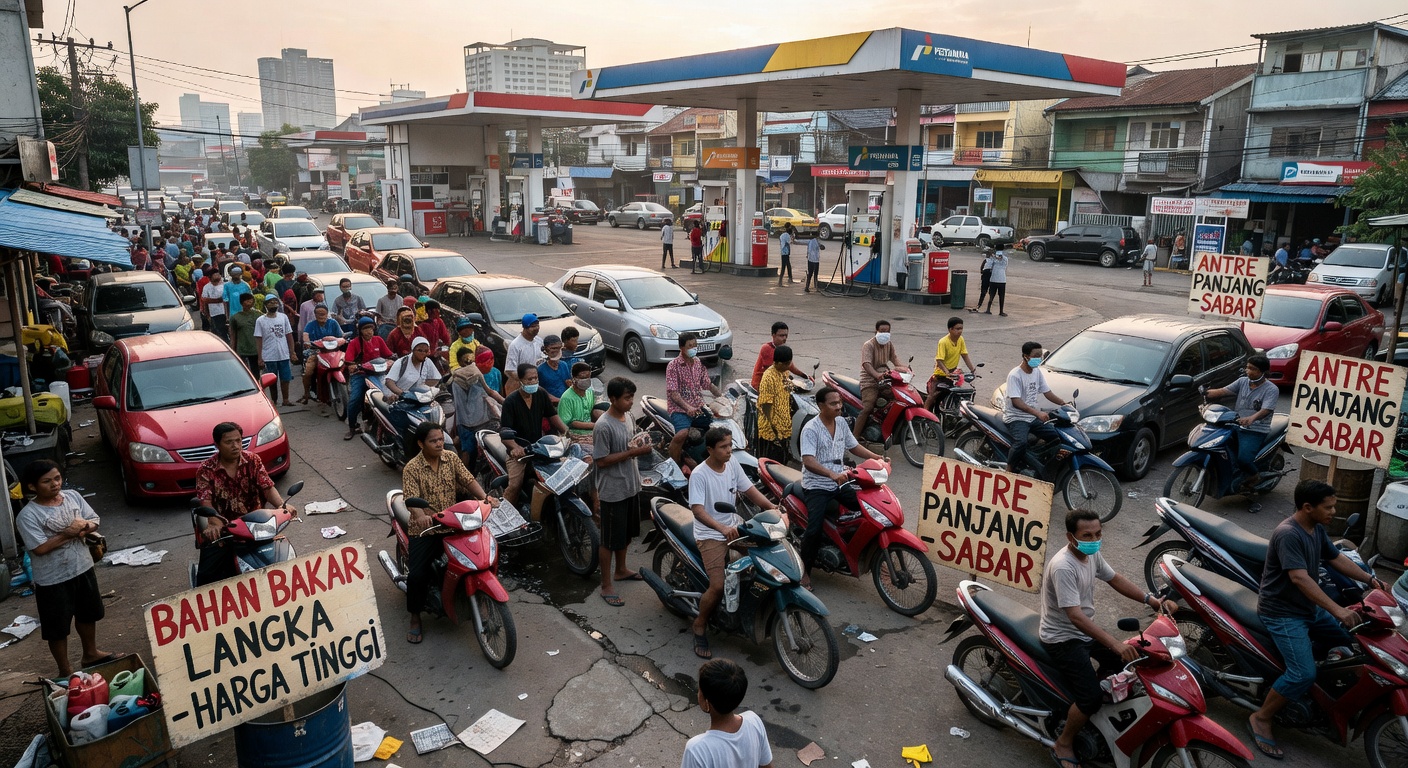
Indonesia followed suit, rationing diesel for fishing boats in Jakarta ports. Blackouts hit Manila suburbs for 12 hours daily, with residents queuing at dawn for gasoline.
Hamza Ali Malik, director of the Macroeconomic Policy Division at UN ESCAP, warned of cascading effects.
The most immediate economic impact…are considerable increases in freight costs and oil, gas and fertilizer prices.
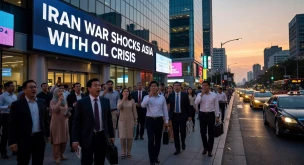
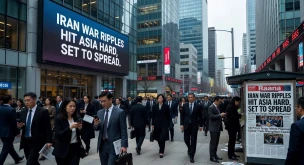
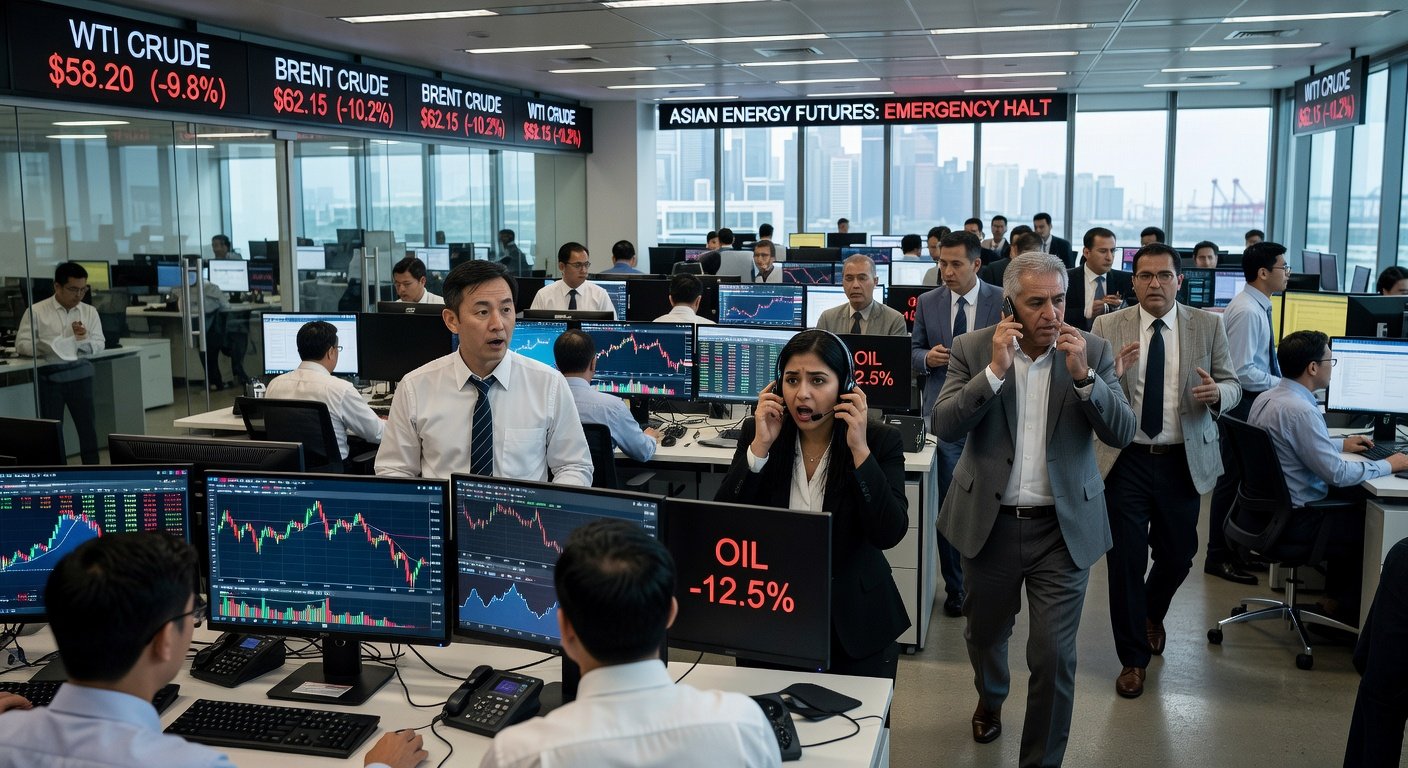
South Korea's KOSPI index plunged 19.9% from its February highs by March 5. Trading floors in Seoul buzzed with panic as energy firms like GS Holdings saw shares drop 25%.
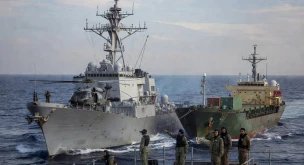
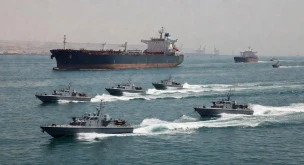
Analysts trace the chaos to Israeli-U.S. strikes on Iranian facilities starting February 28. Iran mined the strait, halting tanker traffic and forcing reroutes around Africa, which added weeks to voyages.
Japan's trade ministry in Tokyo reported 15% of its LNG imports canceled. Refineries in Yokohama idled two units, laying off 500 workers temporarily.
India's oil minister in New Delhi activated emergency stockpiles on March 3, enough for 10 days at current rates. Mumbai traffic slowed as taxis limited rides to save fuel.
China's state planner in Beijing ordered factories in Guangdong to cut output by 20%. Shenzhen ports saw container ships delayed by fuel shortages for loading cranes.
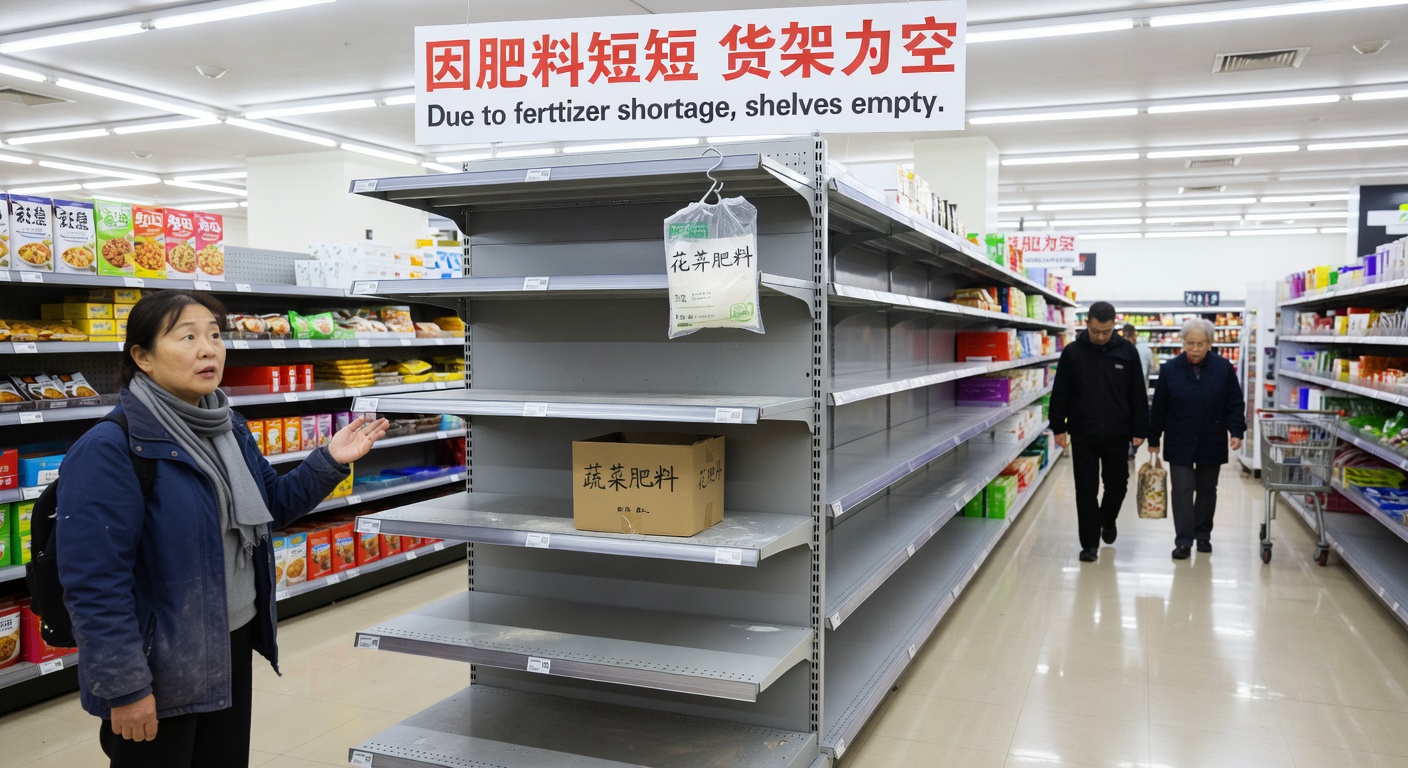
UN News detailed how the disruptions rippled through supply chains. Fertilizer prices jumped 40% in Vietnam's rice fields, threatening harvests in the Mekong Delta.
The Diplomat reported strategic fallout from the war. Asian navies, including Japan's Maritime Self-Defense Force, patrol alternate routes in the Indian Ocean.
Freight rates from the Middle East to Singapore tripled to $150,000 per day for very large crude carriers. Maersk Line diverted 12 tankers, delaying deliveries to Busan by three weeks.
Economists at the Asian Development Bank in Manila project 1.5% GDP hits for ASEAN nations this quarter. Thailand's central bank raised interest rates 50 basis points to curb inflation now at 8%.
| Country | Daily Oil Imports (mbd) | LNG Exposure | Key Measures | Market Impact |
|---|---|---|---|---|
| China | 5.2 | High | Factory cuts | Port delays |
| Japan | 2.3 | High | Stockpile use | Refinery idles |
| India | 2.3 | Medium | Emergency reserves | Traffic limits |
| South Korea | 2.2 | High | None yet | KOSPI -19.9% |
| Philippines | 0.4 | Medium | Rationing | School closures |
Economists at the Asian Development Bank in Manila note LNG prices surged over 140% in days. Spot markets in Tokyo hit records not seen since 2022.
Power plants across Indonesia burned coal reserves meant for export. Bali hotels dimmed lights to ration grid capacity.
U.S. officials in Washington pledged 1 million barrels per day from strategic reserves to allies, but delivery takes 45 days via Pacific routes.
Asian leaders convened virtually on March 6. ASEAN's summit in Jakarta pushed for joint purchasing from Russia and Australia to bypass the strait.
The pain shows no sign of easing. Tanker insurance rates spiked 300%, deterring shippers. Vietnam's power grid operator reported 25% shortfalls during evening peaks.
Business owners in Thailand's Bangkok told reporters they face bankruptcy without diesel for delivery trucks. One factory owner in Chonburi laid off 200 workers after gas prices tripled.
Dr. Priya Singh, energy economist at India's Observer Research Foundation, said Asia's diversification efforts fell short. "We've talked about alternatives for years, but pipelines from Central Asia remain dreams."
Russia offered discounted Urals crude to India, shipping 500,000 barrels from Baltic ports this week. China booked 10 LNG cargoes from Yamal.
Yet alternatives strain other routes. The Malacca Strait now chokes with rerouted tankers, raising collision risks near Singapore.
Financial markets brace for more. India's rupee fell 5% against the dollar, prompting reserve bank intervention. Japan's yen weakened to 160 per dollar.
The UN's ESCAP office in Bangkok models food inflation at 12% region-wide. Rice prices in the Philippines rose 30% as transport costs soared.
South Korea's president addressed the nation on March 5, urging conservation. "This crisis tests our resilience," he said from the Blue House.
As the Iran conflict grinds on, Asia's leaders scramble. Emergency stockpiles dwindle, and black markets for fuel thrive in Manila alleys. The shock waves, once confined to energy ports, now reach every corner of daily life.