
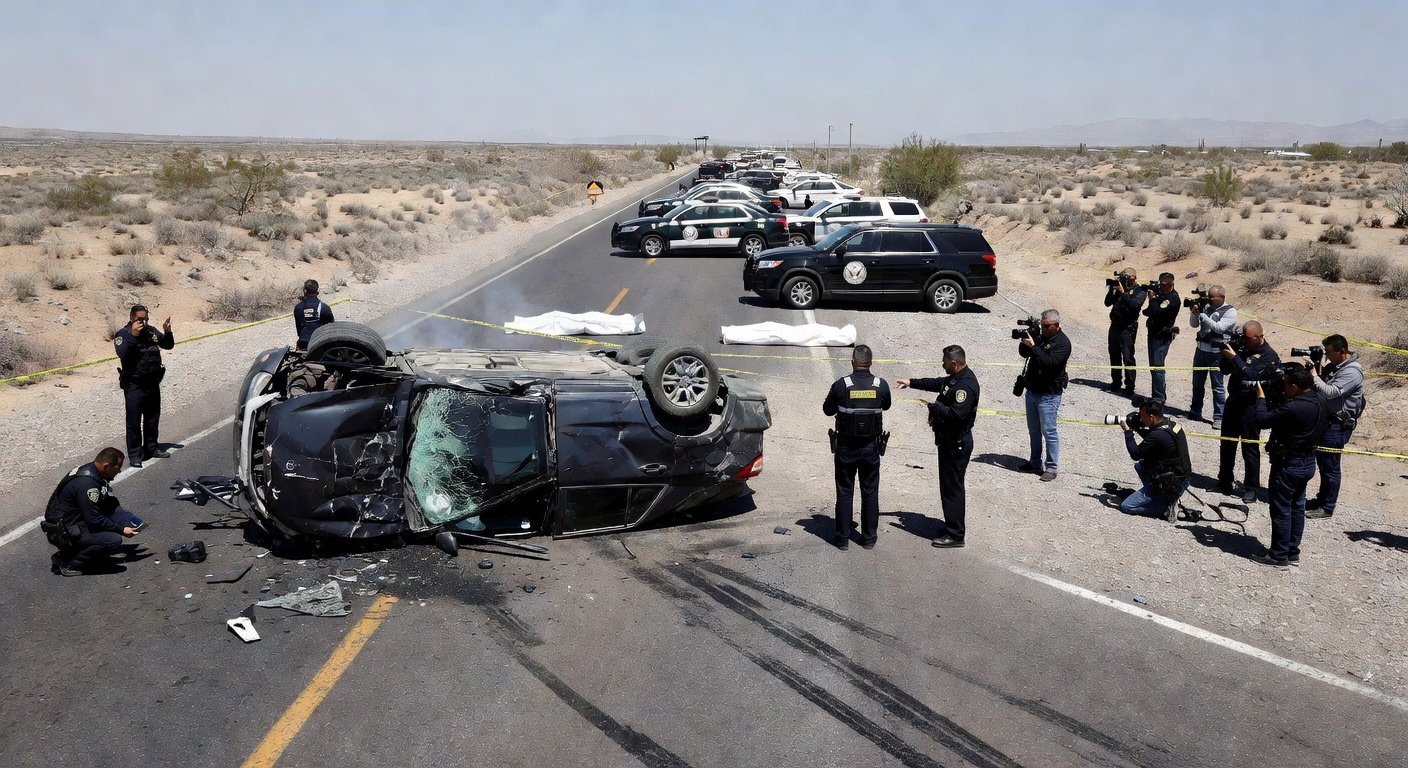
Two U.S. Embassy personnel died in a car crash in Mexico's Chihuahua state on April 19, 2026, alongside two high-ranking Mexican officials.
The vehicle carrying the group overturned on the Chihuahua–Ciudad Juárez highway near Morelos municipality. They were returning from a joint operation that targeted clandestine methamphetamine labs the previous day.
U.S. Ambassador to Mexico Ronald Johnson confirmed the deaths in a statement released hours after the incident. The Americans served as instructors and trainers for anti-cartel efforts.
The Mexican officials killed were Pedro Ramón Oseguera Cervantes, director of the Chihuahua State Investigation Agency, and officer Manuel Genaro Méndez Montes. Chihuahua State Attorney General César Jáuregui Moreno described the Americans as embassy instructors involved in training work.
"Sadly, two embassy officials who are instructors from the U.S. embassy also died, who were carrying out training work," César Jáuregui Moreno, Chihuahua State Attorney General, told reporters in Chihuahua City.
The crash followed a successful raid on April 18, 2026, where U.S. and Mexican forces dismantled at least two methamphetamine labs in Morelos, according to reports from Fox News and CNN. Some accounts indicate six labs were destroyed in total during the operation.
Details on the accident remain unclear. Local authorities have not released a cause, though initial reports point to high speed or road conditions on the busy highway. No other vehicles were involved.
Fox News first reported the incident, citing Ambassador Johnson's statement and naming Oseguera Cervantes. CNN provided specifics on the highway location and the victims' roles post-raid. Reuters confirmed the deaths occurred during an anti-cartel lab destruction effort in Morelos.
U.S. diplomatic safety in Mexico has drawn scrutiny amid rising cartel violence. The State Department maintains a Level 4 travel advisory for Chihuahua due to crime risks. This marks at least the third fatal incident involving U.S. personnel in Mexico since 2020.
Chihuahua Governor Maru Campos, in a press conference on April 20, pledged a full investigation. "These heroes gave their lives fighting organized crime," she said, vowing transparency on the crash.
Joint U.S.-Mexico operations have intensified under bilateral agreements targeting fentanyl and meth production. The April 18 raid destroyed equipment worth millions, per Mexican officials, disrupting Sinaloa cartel affiliates in the region.
White House Press Secretary Karine Jean-Pierre addressed the deaths during a briefing in Washington. "Our thoughts are with the families. We stand with Mexico in the fight against cartels," she said, declining further details.
Mexican Security Minister Omar García Harfuch, who oversees federal anti-cartel units, coordinated with U.S. counterparts on the labs. He called the loss "a blow to our shared mission."
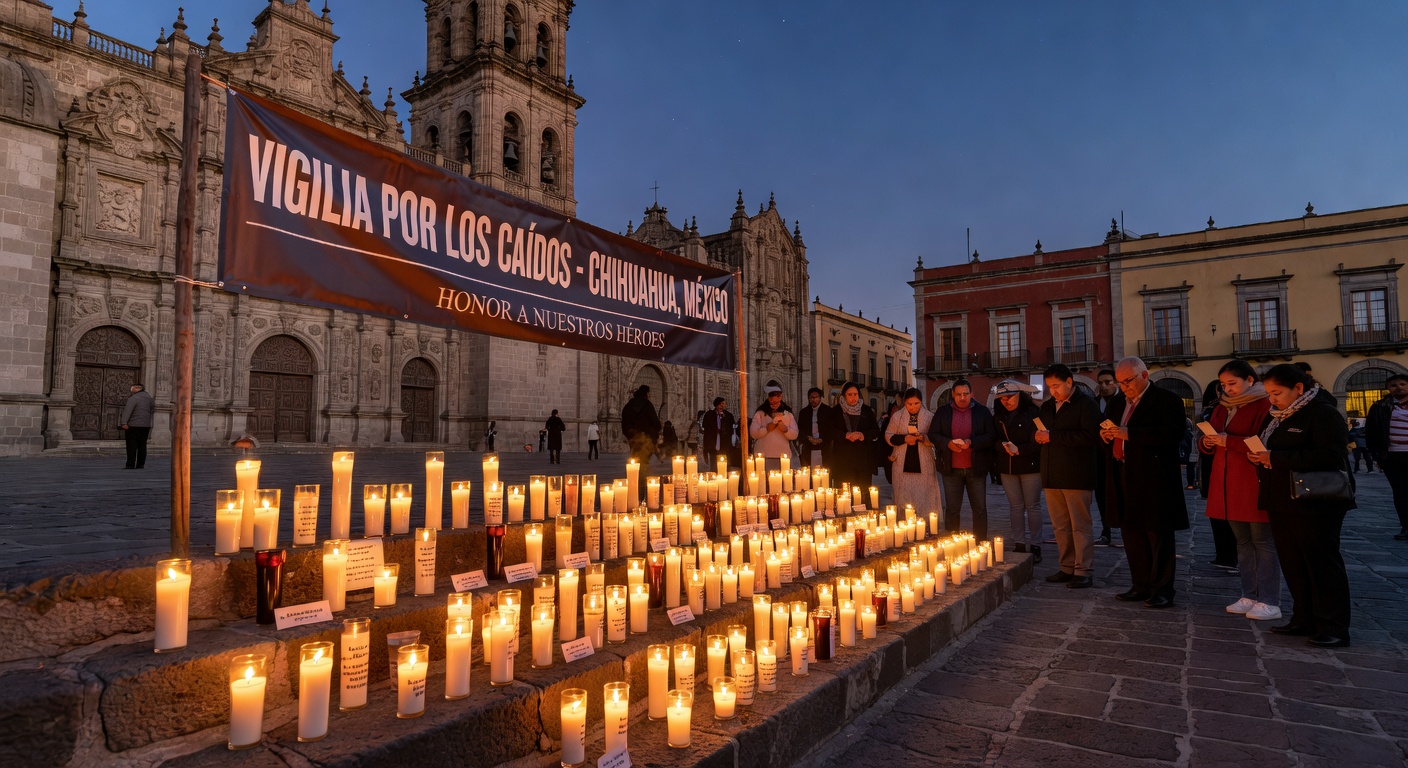
Funeral arrangements for the U.S. personnel are pending repatriation. The Embassy in Mexico City lowered flags to half-staff. Local communities in Chihuahua held vigils for Oseguera Cervantes, a 15-year veteran known for aggressive cartel pursuits.
Investigators from Mexico's National Guard and U.S. consular teams arrived at the site by midday April 19. Autopsies are underway in Ciudad Juárez. Preliminary findings rule out foul play, focusing on mechanical failure or driver error.
This incident underscores risks for U.S. diplomats embedded in high-threat operations. Congress has allocated $500 million in 2026 Mérida Initiative funding for such training programs, emphasizing safety protocols.